

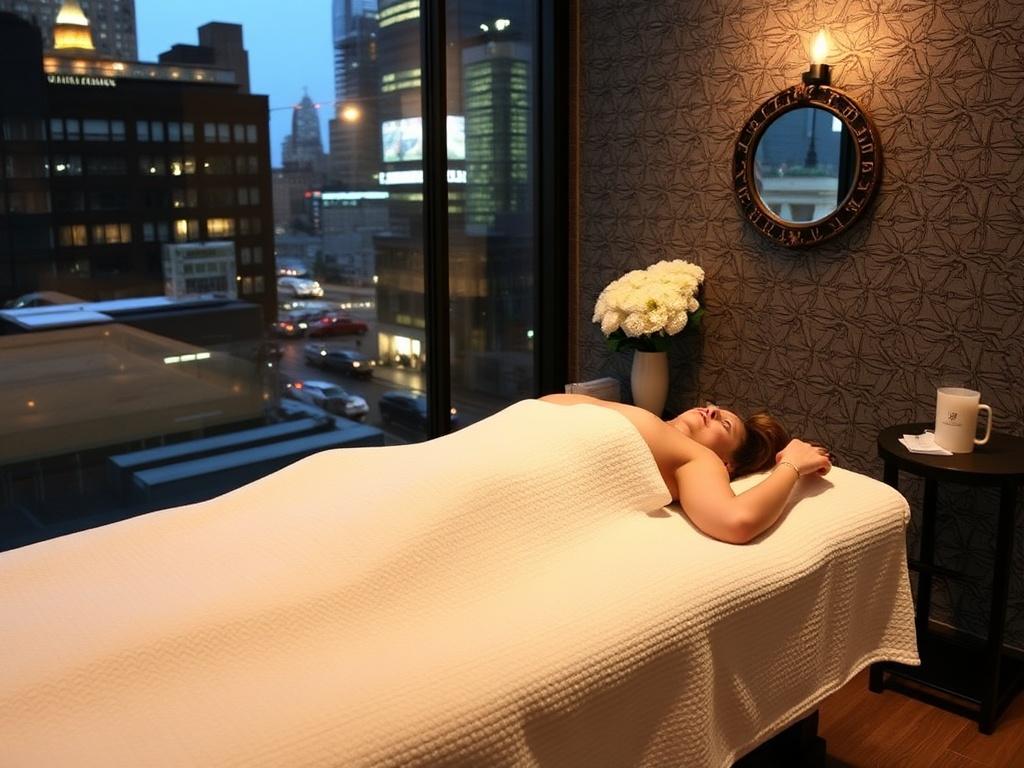
New York moves at full tilt: subway whistles, meetings, school runs, late-night lights. It’s a city of forward motion, and sometimes your body feels like it’s trying to catch up. That’s where massage in New York comes in — not as a luxury alone, but as a practical reset. Whether you’re a Manhattan commuter with tight shoulders, a runner pounding the Hudson Greenway, or someone simply curious about the many modalities on offer, this guide walks you through what to expect, how to choose, and where to look. Think of it as a map to calm in the middle of the city’s hum.
Why Massage in New York Matters — More Than Pampering
Massage in New York can be as utilitarian as a tune-up and as restorative as a day off. In an environment filled with stressors—crowds, noise, long commutes—careful bodywork helps you recover mobility, reduce lingering aches, and re-center. It’s also a way to invest in routine maintenance: a short session after a long travel day or a deeper treatment before a demanding week. Beyond muscle work, many therapists in the city are trained to listen: to patterns, daily habits, and subtle movement issues that a one-off stretch can’t fix.
That said, massage is not a cure-all. It works best when integrated with good sleep, sensible movement, and clear communication with your therapist. New Yorkers who treat massage as part of their regular self-care often notice clearer posture, better sleep, and fewer chronic surprises in their bodies. And because options here range from quick chair sessions in a Midtown lobby to bespoke three-hour therapeutic experiences, you can tailor a plan that fits your schedule and budget.
Common Massage Types and What They Do
There’s a surprising variety of modalities in the city, each with a different approach to pressure and technique. You don’t need to memorize every name; instead, focus on the outcome you want: relaxation, recovery, or targeted relief. Below is a simple table to help you match what you feel to what might help.
| Massage Type | Good For | Typical Session Length | Typical NYC Price Range |
|---|---|---|---|
| Swedish | Relaxation, general tension relief | 30–90 minutes | $60–$180 |
| Deep Tissue | Persistent knots, chronic muscle tightness | 45–90 minutes | $80–$220 |
| Sports | Pre/post-event care, targeted recovery | 30–90 minutes | $70–$200 |
| Prenatal | Pregnancy-related aches, circulation | 45–75 minutes | $80–$190 |
| Shiatsu / Acupressure | Energy balancing, joint mobility | 45–75 minutes | $70–$170 |
Reading the Table: A Few Notes
Prices in New York depend on neighborhood, therapist experience, and whether you’re at a high-end spa or a smaller clinic. Midtown and SoHo spots often command higher rates; neighborhood clinics and independent practitioners can offer better value. Session lengths are flexible at many places — you can often extend by 15 or 30 minutes if you need more attention to a stubborn area.
Where to Look: Neighborhoods and the Scene
Each borough and neighborhood carries its own vibe. In Midtown and Chelsea you’ll find quick, convenient options aimed at office crowds: efficient sessions, drop-in availability, and extended evening hours. The West Village and SoHo host boutique studios where treatments are a little slower, often paired with handcrafted rituals and personalized intake. Brooklyn neighborhoods like Williamsburg and Park Slope blend community clinics with eclectic studios that emphasize holistic approaches and healing arts. Queens and the Bronx have excellent smaller practices and often better accessibility and lower prices.
Beyond location, think about atmosphere. Do you want a quiet, therapist-led treatment room, or a spa with robes, relaxation lounges, and aromatherapy? Do you value a highly clinical space with detailed intake forms and treatment plans, or a warm studio that focuses on touch and calm conversation? Your choice will shape the experience, so list what matters: time, budget, and ambience, then narrow your options.
Simple Neighborhood Checklist
- Midtown — convenient, many short-session options for busy workers.
- Chelsea/SoHo — boutique studios, experienced therapists, trend-forward treatments.
- Upper East/West — luxury spas and established clinics.
- Brooklyn (Williamsburg/Park Slope/Brooklyn Heights) — indie practitioners, community-focused care.
- Queens/Bronx — accessible clinics, good value, culturally diverse offerings.
How to Choose a Therapist: Questions That Matter
Finding a therapist is as much about fit as credentials. A highly trained practitioner who doesn’t communicate simply won’t give you what you need. Before booking, look for clear bios, client reviews, and specialties that match your needs. If the studio lists continuing education or professional affiliations, that’s a good sign. When in doubt, call and ask directly: What styles do you practice? How do you structure intake? What’s your policy on pressure and adjustments? The therapist’s answers will reveal their process and whether they prioritize safety and client comfort.
Trust your instincts. The right therapist listens and adjusts. During your first session, they should ask about medical history, current medications, areas of pain, and any recent injuries. If they rush through intake or dismiss your discomfort, look elsewhere. A good therapist balances confidence with curiosity: they test, reassess, and adapt their approach to your feedback.
Red Flags to Watch For

- Pressure that feels reckless or painful without explanation.
- Unclear pricing, hidden fees, or a push toward unnecessary upgrades.
- Lack of basic hygiene or a workspace that feels chaotic.
- Pushing invasive techniques without informed consent.
Preparing for Your Visit and Getting the Most Out of It
A little preparation improves the whole experience. Drink water before and after your session to support circulation and recovery. Wear loose clothing to your appointment so you can change easily. Arrive a few minutes early to fill out forms and settle in; rushing increases your tension before the first touch. If you have a medical condition or are pregnant, mention it when booking — many places offer specialized prenatal tables or techniques that avoid strain.
During the massage, speak up about pressure and comfort. Therapists prefer feedback; they can’t adjust what they don’t know. Afterward, take a short walk or lie quietly for a few minutes. The immediate relief can be pleasant but subtle, and post-session rest helps your nervous system integrate the work. Consider scheduling follow-ups rather than waiting until pain spikes; consistent, moderate sessions often outperform occasional deep interventions.
Practicalities: Booking, Time, and Tipping
Booking options in New York range from phone calls and studio websites to apps that aggregate listings. Apps are convenient for browsing, but independent studios sometimes reserve their best availability and custom options for direct bookings. Typical session lengths are 30, 60, and 90 minutes; for chronic issues, 60–90 minutes gives the therapist room to work properly. Gratuity in the city is customary; 15–20% is standard if you were satisfied with the care. Also check cancellation policies—urban studios often enforce a 24-hour rule.
When to See a Doctor Instead
Massage helps many functional complaints, but it’s not a substitute for medical diagnosis. If you have unexplained swelling, sharp joint pain, fever, or neurological symptoms like numbness or weakness, seek medical evaluation before or alongside bodywork. Therapists can refer you to medical professionals and often work alongside physiotherapists, acupuncturists, and chiropractors in multidisciplinary clinics. The best care is coordinated: if massage can complement medical treatment, you’ll get safer and more sustainable results.
Conclusion
Massage in New York doesn’t have to be mysterious. Start with what you want—relaxation, recovery, or long-term change—then choose a style and a therapist who listens. Use the neighborhood and price cues to narrow options, ask a few direct questions when booking, and come prepared to communicate during the session. With the city’s wide range of offerings, a thoughtful approach will help you find a reliable practitioner who turns a few minutes of touch into a lasting improvement in how you feel and move.