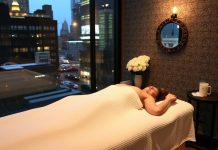

Talking about nude massage in New York can feel awkward, but it doesn’t have to be. At its best, a nude massage is simply another way people choose to receive bodywork — a setting that some find more comfortable, more effective for muscle release, or more aligned with body-positive values. At its worst, it can blur boundaries and attract unprofessional providers. This article walks through what “nude massage” usually means, how to tell the difference between a legitimate therapeutic option and a red flag, what to expect at a session, and how to find a responsible practitioner in New York. Read on and you’ll feel prepared rather than nervous.
What “nude massage” actually is
“Nude massage” means different things to different people. For some clients it means undraped bodywork with professional boundaries and clear clinical intent; for others it may indicate a more sensual or intimate setting. In legitimate therapeutic contexts, nudity is about access — an unobstructed way for a therapist to work on muscles and posture that would otherwise be limited by clothing or bulky draping. In every case, clear communication, informed consent, and formal boundaries should define the session before hands-on work begins.
Why people choose nude massage
There are several common reasons people opt for nude massage. Some say it improves the therapist’s ability to work on certain muscle groups or to evaluate posture and movement. Others appreciate the body-positive aspect — removing clothing can feel freeing and reduce the friction of layers during massage. A subset of clients simply prefers the practical comfort of not having tight or constricting fabric on the skin during oil- or lotion-based therapies. Whatever the motivation, preference varies, and a responsible practitioner will respect the client’s reasons and limits.
Legal and professional landscape in New York
Regulations and community standards matter. New York has professional and public-safety rules that apply to massage therapy and commercial establishments, and prostitution and commercial sexual activity are illegal. That means legitimate practitioners operate within a framework of professional ethics, documentation, and health-and-safety practices. If you’re unsure about a provider’s standing, ask whether they carry professional liability insurance, whether they display or can produce proof of any required credentials, and whether they follow written policies for consent and draping. When in doubt, check local licensing authorities and the city’s consumer resources.
What to expect during a session
A professional session begins before you remove clothing: a pre-session intake. This is where a therapist asks about medical history, injury, areas of pain, and boundaries. You and the therapist should agree on what “nude” means for the session (fully nude, underwear on, modesty garments, or partial undressing) and how draping will be handled. Draping — the practice of covering parts of the body not being worked on — is standard in therapeutic massage even when some clients prefer to be partially or fully nude; it’s a tool for modesty and warmth.
Expect the therapist to explain the flow of the session, how they’ll position you, and how to signal if something is uncomfortable. Professional therapists will not make sexual comments, will avoid innuendo, and will keep conversation focused on the therapy and comfort. Most sessions use a sheet or towel and a blanket; oil, lotion, or dry techniques are used according to your preference and the therapist’s modalities.
Common session formats and clothing expectations
| Massage Type | Typical Clothing/Draping | Primary Goal |
|---|---|---|
| Swedish / Relaxation | Underwear or draped; nudity optional | General relaxation, circulation, stress relief |
| Deep Tissue / Therapeutic | Draped; therapist may request easier access to target areas | Release deep muscle tension and adhesions |
| Nude Massage (therapeutic) | Fully nude or discreet undressing with draping when not working | Unrestricted access for evaluation and treatment |
| Table Thai / Assisted Stretching | Clothed in comfortable garments | Mobility, stretching, joint release |
How to find a reputable provider in NYC
Start with basic vetting: look for licensed or credentialed therapists, read recent client reviews, and prefer established clinics or well-reviewed independent studios. Many reputable therapists list their training, continuing education, and specialties (orthopedic massage, myofascial release, prenatal, etc.) on their websites. If a listing is vague about credentials, or if a provider is evasive about boundaries or draping policies, move on. Local professional associations and registries can offer additional verification.
Before you book, call or message the provider and ask direct questions. A legitimate practitioner will answer calmly and clearly, describe their draping and consent policy, and respect any request for a same-gender therapist if that makes you more comfortable.
Questions to ask before booking
- What are your qualifications and training?
- Do you carry professional liability insurance?
- How do you handle draping and client modesty?
- What is your policy on sexual comments or behavior during a session?
- Do you require a health intake form or medical clearance?
- What is your cancellation and refund policy?
Safety, hygiene, and etiquette
Cleanliness is non-negotiable. Reputable facilities use freshly laundered linens, clean linens between clients, and maintain tidy treatment rooms. Therapists should wash hands thoroughly before beginning and use properly labeled lotions and oils. If a therapist asks you to disrobe and step off the table for a repositioning, they should leave the room or ensure appropriate draping and communication. Bring your own towel or modesty garment if that makes you more comfortable; many therapists will provide these.
Etiquette-wise, be punctual, disclose relevant medical conditions, and speak up if a pressure or technique is painful. Similarly, the therapist should explain contraindications (pregnancy, certain skin conditions, recent surgeries) and adapt the session as needed. If at any point you feel pressured into something you don’t want, end the session and report the provider if necessary.
Red flags to avoid
Watch for these warning signs: providers who advertise “no touch” but then pressure you to remove clothing; ambiguous or evasive answers about draping and boundaries; pressure for cash-only transactions with no receipt; explicit sexual language or requests; and clinics that lack basic contact information or clear policies. If you feel uneasy during a conversation or a session, follow your instincts. You’re entitled to end the appointment and leave without guilt.
Cost, tipping, and scheduling tips
Prices in New York vary widely by neighborhood, studio reputation, and therapist experience. Typical rates for an hour-long therapeutic massage in NYC often fall into a broad range depending on the area and specialty — check local listings to get a sense for current rates. Ask whether gratuity is included in the posted price; if not, 15–20% is the common tipping range in the U.S. For a first session, consider booking a longer appointment if you’re trying something new — 75 to 90 minutes gives time for intake, treatment, and follow-up without rushing.
Alternatives and compromises
If fully nude feels too vulnerable, there are solid middle grounds. Many therapists will work with underwear on and use strategic draping to preserve modesty while still giving good access to muscles. Some practices offer “partial undressing” options or use specialized garments that expose only the area being treated. You can also explore bodywork styles that are always clothed, like Thai massage or certain types of rolfing and structural integration, which deliver significant therapeutic benefit without nudity.
Final practical checklist before your first nude massage
- Confirm credentials and read recent reviews.
- Ask about draping, consent policy, and what “nude” means in their practice.
- Verify cancellation, privacy, and refund policies.
- Bring ID and any medical notes that might affect treatment.
- Plan to communicate preferences and stop a technique immediately if uncomfortable.
Conclusion
Nude massage in New York can be a safe, professional, and therapeutic choice when you do a little homework: verify credentials, ask about draping and boundaries, pick a practitioner who communicates clearly, and trust your instincts. Whether you try it for practical access to muscle work or as a body-positive experience, the essentials remain the same — consent, respect, and professionalism. Armed with the right questions and a sensible checklist, you can decide confidently whether a nude session is right for you.