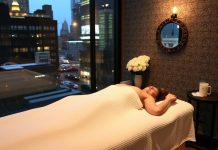

Talking about a nude massage woman in a professional setting can make people uncomfortable, curious, or both. It’s a topic that sits at the intersection of therapy, culture, and personal comfort. Whether you’re considering it for legitimate therapeutic reasons, researching cultural practices, or simply trying to understand the boundaries, this article walks through the essentials: what a nude massage woman session can mean in different contexts, how to find reputable practitioners, and how to stay safe and respected throughout the experience.
Understanding the Contexts
“Nude massage woman” can describe very different situations depending on context. In some therapeutic or clinical settings, partial or full nudity—managed through professional draping and explicit consent—is part of treatment for issues like scar tissue, myofascial restrictions, or certain postpartum care. In other places, nudity is part of spa or naturist culture, focusing on relaxation and body acceptance. And elsewhere, the phrase may be used in sexual or illicit contexts, which raises legal and ethical concerns. Recognizing where you are and what standards apply is the first step.
Therapeutic vs. Recreational vs. Exploitative
A therapeutic session with a licensed practitioner follows clear rules: informed consent, draping protocols, single-sex or mixed-gender policies, and clinical goals. Recreational naturist massage emphasizes comfort and non-sexual social nudity, often in group settings. Exploitative or illegal offerings may market nudity as a sexual service; these situations are risky and often unlawful. If you’re searching online for “nude massage woman,” pay attention to language, credentials, and location to separate legitimate services from questionable ones.
Professional Standards and Boundaries
When a licensed professional offers a session where nudity is involved, boundaries are central. Professionals trained in somatic therapies, physical therapy, or clinical massage use draping (covering parts of the body not being worked on) and explain the scope of the treatment in advance. Your comfort, the therapeutic goals, and mutual consent guide what happens. Any touch that isn’t medically necessary or agreed upon should be questioned and refused.
Questions to Ask Before Booking
- What are your credentials and professional affiliation?
- What is the purpose of the session and how does nudity factor in?
- What draping protocols do you follow?
- Is the practitioner the same gender as the client? Is that important to me?
- Are there any chaperone or observation policies?
- What are the clinic’s policies on consent and boundaries?
How to Find a Reputable Practitioner
Start with professional organizations and licensed clinics. In many countries, massage therapists belong to national associations that set standards and have directories. Clinics attached to hospitals, physical therapy centers, or accredited wellness centers are more likely to follow strict protocols. Read reviews, ask for referrals from trusted healthcare providers, and avoid practitioners who refuse to discuss draping, consent, or credentials.
| Setting | What to Expect | Questions to Verify |
|---|---|---|
| Medical/Clinical | Clear therapeutic goals, draping, documentation, licensure | Is the therapist licensed? Are outcomes documented? |
| Spa/Naturist | Relaxation-focused, often communal norms, emphasis on comfort | What are communal rules? How is privacy managed? |
| Private/Unregulated | Variable—risk of boundary violations or legal issues | Can you verify credentials? Are there facility policies? |
Preparing for a Session
If you decide to book a session that involves nudity, preparation helps reduce anxiety and ensures a productive experience. Arrive clean and on time. Wear comfortable clothing that you can easily remove and put back on. Bring a list of medical conditions, medications, and recent surgeries. Communicate clearly about areas you don’t want touched, prior injuries, or emotional considerations. A professional will usually explain how to undress, where to wait, and when to signal if you’re uncomfortable.
Practical Tips
- Confirm draping standards ahead of time.
- Ask whether you can keep underwear on—many therapists allow it if it doesn’t impede treatment.
- Bring a towel or ask whether linens are provided.
- Request a chaperone or have a friend wait nearby if it helps your comfort.
Consent, Communication, and Safety
Consent is active and ongoing. You can change your mind at any time, and a reputable practitioner will stop the session if you request it. Clear communication reduces misunderstandings: say if pressure is too intense, if you want an area avoided, or if you’d like more or less conversation. If a practitioner behaves inappropriately—touching without consent, making sexual comments, or refusing to comply with your requests—stop the session, leave if necessary, and report the incident to licensing boards or the facility.
Red Flags
- Refusal to explain credentials or draping policies
- Pressure to undress more than you’re comfortable with
- Sexual comments or coercive behavior
- No private, licensed facility or clinic address listed
Hygiene, Privacy, and Legal Considerations
Hygiene is non-negotiable. Professional clinics follow strict cleanliness protocols for linens, handwashing, and sanitation of equipment. Privacy laws vary by country and region; some places prohibit sexualized services billed as massage. It’s your responsibility to know local laws, and a legitimate provider will be transparent about what’s lawful and what’s not. If you’re traveling, research local regulations and seek out licensed establishments rather than informal or street-level offerings.
What to Do If Something Goes Wrong
- Stop the session immediately and leave the room.
- Document what happened—times, statements, and evidence such as messages or receipts.
- Report to the facility manager first; if that’s not possible, contact the licensing board or local authorities.
- Seek support from a trusted friend or professional counselor if needed.
Alternatives and Modifications
If the idea of a nude massage woman makes you uneasy, there are many alternatives. Most therapeutic goals can be achieved with full draping, modified clothing (sports bras, shorts), or through techniques like trigger point therapy, cupping, or physical therapy. Some therapists offer gender-matched sessions, or the option to keep underwear on, which can preserve modesty while still allowing effective work on muscles and tissues.
Comparison: Common Massage Types and Clothing Norms
| Massage Type | Typical Clothing/Draping | Suitable For |
|---|---|---|
| Swedish/Relaxation | Full draping; client undraped only where worked | General stress relief, circulation |
| Deep Tissue | Full draping; often requires more direct access | Chronic muscle tension, rehabilitation |
| Medical/Clinical | Clinical draping; may require exposure of treatment area | Post-surgical care, scar mobilization |
| Naturist/Communal | Group norms vary; sometimes nudity is expected | Body acceptance, communal relaxation |
Psychological and Physical Benefits—Handled Respectfully
When conducted ethically and professionally, sessions that involve nudity can help normalize body image, reduce shame, and allow therapists better access to areas that need care. The physical benefits mirror those of clothed massage—reduced pain, increased range of motion, and stress relief. The difference is often logistical: unobstructed access can allow more precise work on scars, adhesions, or specific muscle groups. But benefits depend not on nudity itself; they come from professional skill, therapeutic intent, and respectful practice.
Aftercare and Follow-up
- Drink water and rest after a deep or clinical session.
- Note any soreness or adverse reactions and report them to your therapist.
- Schedule follow-up if the issue persists or if home exercises are recommended.
Final Practical Checklist
- Verify credentials and read reviews.
- Ask about draping, chaperones, and privacy policies.
- Communicate medical history and comfort levels ahead of time.
- Trust your instincts—leave if anything feels off.
- Report misconduct to licensing boards or authorities.
Conclusion
A nude massage woman in a professional, consent-driven context can be a legitimate therapeutic choice, but it requires careful vetting, clear communication, and firm boundaries. Focus on credentials, draping protocols, and your own comfort. If a practitioner won’t answer basic questions or makes you uneasy, walk away. Respect, safety, and consent are non-negotiable; the right practitioner will treat them as such and make the experience effective and dignified.