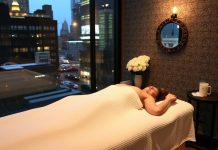

Talk about touch and people get curious fast. Throw in the words nude massage sexy and the conversation heats up even more—sometimes with excitement, sometimes with anxiety. The phrase carries heavy cultural freight: intimacy, vulnerability, possibility of eroticism. But beneath the headlines and the jokes there are real questions about safety, consent, professionalism, and personal boundaries. This article walks that messy terrain with practical thinking and plain language so you can decide what feels right for you—without stumbling into misunderstandings or risks.
Why the subject triggers strong reactions
Most people respond emotionally to nudity because it strips away armor: a suit, a uniform, the comfortable distance clothing provides. For some, that can open a deep sense of relaxation and trust; for others, it raises alarm bells about privacy and exploitation. That’s why when someone hears nude massage sexy, the mind can jump to sexualized scenarios even if the intention is therapeutic. Cultural norms about modesty, personal history, and the context in which nudity occurs all shape how we interpret it. Acknowledging that up front makes it easier to set boundaries that protect everyone involved.
Understanding the legal and professional landscape
Massage therapy is a regulated profession in many places. Licensing boards often require clear draping practices, scope-of-practice rules, and codes of ethics that prohibit sexual contact. Where those safeguards exist, they are meant to preserve the therapeutic frame—meaning the intent is clinical or restorative, not erotic. In contrast, some services explicitly market sexual or sensual experiences; the language is different, the consent is different, and in many jurisdictions different laws apply. If you’re trying to tell the difference between a legitimate therapeutic session and something else, the context, advertising language, and stated policies are good clues.
Quick checklist: what to verify before booking
- Is the practitioner licensed or affiliated with a reputable clinic?
- Does the business publish a clear consent and draping policy?
- Are the practitioner’s credentials and reviews verifiable online?
- Is the interaction conducted in a professional space rather than a private home?
Consent and communication: the non-negotiables
Consent is the backbone of any interaction that involves nudity. That means clear, mutual agreement about what will happen, how much will be undressed, and what types of touch are acceptable. Consent also isn’t a one-time checkbox; it can be revoked at any point. Discussing expectations before the session removes guesswork and reduces the chance that someone will feel pressured. If you’re worried that a situation might drift into erotic territory, state your boundaries verbally and ask for confirmation. Good practitioners will welcome the clarity.
Sample pre-session questions to ask
- What is your draping policy—how much will I be covered at a time?
- Which areas of my body are off-limits for touching?
- How do you define professional versus sensual touch?
- What should I do if I feel uncomfortable during the session?
Practical safety: hygiene, environment, and draping
Comfort and cleanliness are not glamorous topics, but they matter. A well-run practice will have a clean table, fresh linens, clear temperature control, and a professional demeanor. Draping—the technique of covering the body with sheets or towels so only the area being worked on is exposed—is central to maintaining both modesty and a therapeutic frame. If a practitioner suggests being fully undraped without explaining why, that’s a red flag. Likewise, the environment should feel transparent: a reception area, posted policies, and visible credentials are signs of legitimacy.
Table: Comparing typical contexts
| Aspect | Professional Therapeutic Massage | Erotic or Sensual Services | Intimate Partner Massage |
|---|---|---|---|
| Intent | Restore function, relieve pain, relax muscles | Provide sexual or sensual gratification | Express affection or intimacy |
| Draping | Strict, covers non-worked areas | Often minimal | Varies by couple |
| Consent | Documented and ongoing | Explicit but different legal context | Mutual and negotiated |
| Typical setting | Clinic or spa with licenses | Private room advertised as sensual | Home |
Navigating sensuality without losing safety
Some people seek experiences that sit between medical therapy and erotic touch—a space that can be healing and intimate without becoming sexual. If that’s what you want, frame it explicitly: explain your goals, ask about the practitioner’s comfort level, and discuss boundaries. A reputable provider may decline if the request falls outside their scope, and that’s acceptable. Alternatively, couples can explore sensual techniques with each other at home, using communication, slow pacing, and consent to keep the experience healthy. Remember: labeling something “therapeutic” doesn’t make it so if the boundaries and training aren’t there.
Alternatives to a professional nude session
- Choose a fully clothed session focusing on breathing and touch.
- Request mixed-modality treatments like Thai or chair massage.
- Practice guided partner massage at home following reputable tutorials.
- Seek bodywork modalities that emphasize boundaries, like Rolfing or Feldenkrais, with clear consent processes.
Common misconceptions and pitfalls
Myth: nudity automatically equals sex. Fact: nudity can be neutral, medical, spiritual, or sexual depending on intent and context. Myth: a “nude massage sexy” label means something illicit. Reality: some services use provocative language to attract attention, but that’s different from regulated clinical practice. Pitfalls include failing to check credentials, ignoring gut feelings, or assuming consent because someone didn’t protest. Treating the topic thoughtfully reduces harm and increases satisfaction for everyone.
How to find trustworthy practitioners
Look for transparent practices: a clinic that lists licensing, educational background, and clear policies is preferable to one that hides information. Read recent reviews that mention hygiene, communication, and professionalism rather than vague praise. Ask friends for referrals, but remember everyone has different boundaries. When in doubt, call first and ask the practitioner directly about their draping and consent protocols. If the answers feel evasive or defensive, move on.
Red flags to watch for
- No posted credentials or refusal to discuss training
- Pressure to remove draping beyond what’s necessary
- Unsolicited sexual comments or flirtation
- Sessions in private residences marketed as professional therapy without licensing
When to seek help or report misconduct
If a boundary is crossed—whether a touch was unwanted, a practitioner made you feel unsafe, or there was a clear violation of professional standards—document the incident and report it to the licensing board or local authorities as appropriate. Many boards investigate complaints and can revoke licenses. If you feel uncertain about how to proceed, a trusted friend, a counselor, or a patient advocacy organization can help you sort the next steps. Your safety and dignity matter more than any awkwardness about making a complaint.
Conclusion
Talking about nude massage sexy requires nuance: the phrase carries sexual overtones but what matters most is context, consent, and the integrity of the people involved. If your interest leans toward therapy, insist on licensed providers, clear draping, and a written or verbal consent process. If you’re exploring sensuality, be explicit about boundaries, choose appropriate settings, and know the legal context where you live. Above all, prioritize communication—before, during, and after any session—and trust your instincts; a practice that feels respectful, transparent, and safe is the one worth keeping.