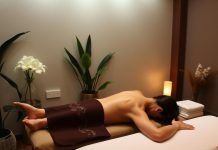

There’s a quiet power in a well-delivered body rub. It’s not magic, though it can feel that way: a skilled touch can lower your shoulders, slow your breathing, and push stress far enough back that you almost forget it was there. “Body rubs” is an umbrella term people use casually to describe a range of hands-on therapies, from the familiar Swedish massage to targeted sports work, from lymphatic drainage to soothing aromatherapy. This article walks through what body rubs actually do, how to choose the right kind, what to expect in a session, safety concerns, and simple techniques you can try at home. Think of it as a practical guide to choosing and enjoying therapeutic touch—clear, realistic, and free of myths.
What a Body Rub Actually Is
0
At its simplest, a body rub is an intentional, manual manipulation of soft tissues—skin, muscles, tendons, and fascia—performed to achieve a physical or mental benefit. That benefit might be relaxation, pain relief, improved circulation, or better range of motion. Licensed practitioners combine pressure, rhythm, and direction to influence nervous-system responses and local tissue health. Unlike a medical procedure, most body rubs are noninvasive and focus on comfort as much as correction.
Common Types and What They Do
Different styles emphasize different outcomes. A Swedish body rub uses long, flowing strokes to calm and improve circulation; deep tissue targets stubborn knots and deeper muscle layers; sports massage blends techniques to prepare or repair athletic tissues; lymphatic drainage focuses on gentle, directional strokes to clear fluid build-up; aromatherapy pairs touch with essential oils for mood effects. Each method has its own tempo, pressure, and goals.
| Type | Primary Focus | Typical Duration | Best For |
|---|---|---|---|
| Swedish | Relaxation, circulation | 30–90 minutes | Stress relief, general well-being |
| Deep Tissue | Chronic muscle tension | 45–90 minutes | Stiff neck, lower back tightness |
| Sports | Performance, recovery | 30–90 minutes | Athletes, pre/post-event care |
| Lymphatic Drainage | Fluid balance, immune support | 30–60 minutes | Post-surgery recovery, swelling |
| Aromatherapy | Mood, relaxation | 30–90 minutes | Anxiety, sleep issues (complimentary) |
How to Choose the Right Body Rub
Start with a clear goal. Are you trying to unwind after a busy week, fix a recurring shoulder ache, or speed recovery after sport? Once you know the outcome you want, check the practitioner’s credentials and ask about experience with your particular concern. A licensed massage therapist (LMT) or practitioner with specific training is preferable for anything beyond basic relaxation. Read recent reviews, ask friends for recommendations, and don’t hesitate to call the clinic with questions before you book.
Checklist Before Booking
- Verify the practitioner’s license or certification.
- Confirm facility cleanliness and hygiene policies.
- Ask about massage table, sheets, and draping procedures.
- Request practitioner’s experience with your condition (pregnancy, sports injury, post-op).
- Inquire about contra-indications and whether to get physician clearance.
What to Expect During a Session
Most sessions follow a similar rhythm: a brief consultation, time to undress to your comfort level and lie on the table, the body rub itself, and a short period afterward to drink water and reorient. Be honest during the intake—mention medications, recent surgeries, allergies, or any areas to avoid. Pressure is adjustable; reliable therapists will check in frequently and welcome feedback. Draping is standard practice: only the area being worked on is exposed, which keeps things professional and comfortable.
Typical Session Steps
- Intake and health screening.
- Client disrobes to comfort level and lies on table.
- Therapist performs the body rub, modifying pressure and focus as needed.
- Post-session advice and hydration reminder.
Safety, Contraindications, and Red Flags
Body rubs are broadly safe, but there are times to avoid or modify treatment. Acute infections, fever, open wounds, certain cardiovascular conditions, deep vein thrombosis (suspected blood clots), and some stages of pregnancy require medical clearance. If a practitioner discourages you from seeing a doctor when you raise serious symptoms, that’s a red flag. Other warning signs include unlicensed facilities, insistence on inappropriate draping, or refusal to stop when you ask them to. Trust your instincts—consent and comfort are central.
Common Contraindications
- High fever or contagious illness.
- Recent surgery or unstable medical conditions without physician approval.
- Suspected or confirmed blood clots.
- Skin infections, rashes, or broken skin.
Cost, Frequency, and Etiquette
Pricing varies by region and experience: shorter sessions cost less, while specialized or therapeutic sessions cost more. Tipping customs depend on your country; when customary, 10–20% is standard in many places. Frequency depends on goals—weekly or biweekly for chronic issues, occasional sessions for relaxation. Arrive slightly early, silence your phone, and communicate your needs clearly. A professional relationship is built on boundaries and straightforward feedback.
Simple Body Rub Techniques You Can Try at Home
Not every session needs a pro. Gentle self-massage can ease stress between appointments. Use your palms to sweep long strokes along the shoulders, or knead the base of the thumb to relieve hand tension. A tennis ball against a wall or floor can mimic trigger-point release for the glutes or upper back. Keep pressure steady, avoid sharp pain, and hydrate afterward. These small habits add up.
Quick Self-Massage Routine (5–10 minutes)
- Neck: Use fingers to make small circular motions from the base of the skull down to the shoulders.
- Shoulders: With thumbs, press along the top of the trapezius and release in slow, repeated strokes.
- Lower back: Press gently with the heel of your hand along either side of the spine—never directly on the spine.
- Feet: Roll a ball under your arch to ease tension and support circulation.
Dispelling Myths
Let’s clear a few persistent misconceptions. First: a “harder” rub is not always better. Too much pressure can inflame tissues and delay healing. Second: soreness after a session is normal when deep work is done, but intense, prolonged pain is not. Third: one session rarely “fixes” a long-standing problem—consistent care and complementary habits (stretching, hydration, posture work) are what produce lasting change.
When to See a Professional Versus DIY
If you’re dealing with acute pain, sciatic symptoms, nerve issues, or recovery from surgery, consult your physician first and seek a therapist trained in medical or clinical massage techniques. For everyday stress, mild stiffness, or as part of self-care, a combination of professional sessions and at-home routines works well. Prioritize education: a short series with a good therapist can teach you which self-care moves are safe and effective for your body.
Conclusion
Body rubs are a practical, accessible tool for managing stress, easing pain, and simply feeling more like yourself. The key is choosing the right type for your goals, working with a trained practitioner, and treating touch as part of a broader approach—sleep, movement, hydration, and posture matter too. Whether you book a professional session or practice a five-minute self-routine, informed touch can shorten the distance between tension and ease without drama. Listen to your body, ask clear questions, and let the rhythm of a thoughtful body rub do what it does best: remind you that care can be as simple as an honest, skilled hand.