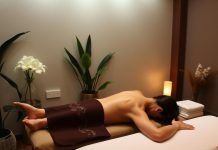


Imagine hands that read muscle like a map, fingers that find the stories your posture has been holding, and a steady breath that anchors both giver and receiver. That image captures what people mean when they say “bodywork” — a broad family of manual therapies aimed at easing pain, restoring movement, and re-tuning the nervous system. And woven through this field are countless women — practitioners, teachers, clinic owners, and innovators — who bring particular attention to listening, consent, and long-term resilience. This article explores what being a “bodywork girl” really means: the techniques, training, business realities, ethics, and the practical skills that let women thrive in a profession that is as physical as it is relational.
What Is Bodywork?
0
Bodywork is an umbrella term. It includes modalities like massage, myofascial release, structural integration, craniosacral therapy, shiatsu, and more. Some approaches focus on muscle and fascia; others tune the nervous system. Some emphasize energetic concepts, others take an anatomical, biomechanical approach. What they share is hands-on contact, intention to affect the body’s systems, and a dialog between practitioner and client about sensation, boundaries, and outcomes.
Historically, bodywork grew out of folk healing, physical therapy, and Eastern medicine traditions. Over the last century it has professionalized: schools emerged, licensure appeared in some places, and research slowly began to test outcomes. Yet the field remains plural and person-centered — many practitioners blend techniques to meet a client’s unique needs.
Common Modalities — A Quick Guide
Here’s a practical snapshot of several widely practiced techniques. Think of this as a quick reference when you hear an unfamiliar term in a clinic or on a training brochure.
| Modality | Primary Focus | Typical Session Length | Training / Certification | Common Outcomes |
|---|---|---|---|---|
| Swedish / Relaxation Massage | Muscle relaxation, circulation | 30–90 minutes | Short courses; state licensing varies | Reduced tension, improved sleep |
| Deep Tissue / Myofascial Release | Adhesions in muscle and fascia | 45–90 minutes | Specialty courses; MT/LMT in many places | Improved mobility, pain reduction |
| Structural Integration (e.g., Rolfing) | Postural alignment, fascial patterns | 60–90 minutes (often multi-session series) | Comprehensive multi-year trainings | Altered postural habits, lasting alignment |
| Craniosacral Therapy | Light touch, nervous system regulation | 45–75 minutes | Certificate programs | Decreased anxiety, headache relief |
| Shiatsu / Acupressure | Meridians, balance of energy (qi) | 45–90 minutes | System-specific training | Relaxation, energy shifts, pain relief |
| Sports Massage | Performance recovery, injury prevention | 30–90 minutes | Certifications common | Faster recovery, improved function |
The Rise of Women in Bodywork
Women have always been integral to hands-on healing. Midwives, wet nurses, bone-setters, and folk healers across cultures used touch to tend bodies. As bodywork moved into formal education and clinics in the 20th century, women became visible as students and providers — often because caregiving professions were more accessible and culturally accepted for women.
Today the majority of massage therapists and many manual therapists are women. That demographic shift influences how care is delivered: consultations emphasize consent and language, clinics often prioritize trauma-awareness, and marketing shows an understanding of client vulnerability. It’s not just who is doing the work; it’s how the work is being re-shaped.
Why Women Choose Bodywork
Motivations vary. For some, bodywork is a second career that allows more autonomy and a better work-life balance. Others are drawn by a fascination with anatomy or a personal healing journey that turned into a vocation. The relational nature of the work attracts people who enjoy both physical skill and conversation, who like the immediacy of seeing a client’s pain ease.
Practical reasons also matter. Training programs can be shorter and less costly than many healthcare degrees, making them accessible. And for women seeking entrepreneurship, opening a solo practice requires lower startup capital than many other businesses.
Training, Certification, and Professionalism
Becoming a competent bodywork practitioner blends hands-on practice, anatomy study, ethics, and business sense. Programs range from weekend intensives to multi-year apprenticeships. Where licensing exists, it sets minimum standards for hours of supervised practice, scholarships in anatomy, and hygiene protocols. But across jurisdictions the rules differ significantly.
Continuing education is essential. New research, techniques, and somatic approaches emerge regularly. Ethical training — including boundaries, consent, and handling disclosures — is increasingly standard across reputable schools because touch professions intersect with intimate, sometimes traumatic material.
What to Look for in a School or Program
- Clear curriculum with anatomy, contraindications, and hands-on hours.
- Clinical supervision and mentorship opportunities.
- Ethics and communication training, including trauma-informed care.
- Support for business skills: intake forms, record-keeping, insurance.
- Alumni or community network for ongoing case discussion.
Challenges Women Face: Safety, Stigma, and Boundaries
The phrase “bodywork girl” can sometimes be loaded. The sexualization of touch-based professions persists in society — a persistent misconception that massage or somatic work is implicitly erotic. That myth creates safety risks and moral judgments for practitioners, particularly women. They face inappropriate client behavior, legal grey areas, and even exploitation by unscrupulous employers or platforms that blur lines between therapeutic touch and sex work.
Beyond external stigma, physical risk is real. Repetitive strain injuries, back pain, and hand problems are common if practitioners don’t use good biomechanics and schedule rest. Emotional labor — hearing trauma stories and holding space — can lead to compassion fatigue and burnout without proper boundaries and supervision.
Practices That Protect: Consent, Communication, and Protocols
Creating safety begins before the first touch. Intake forms that include health history and consent statements, clear draping protocols, and a transparent discussion about the purpose of the session set professional expectations. Many female practitioners develop scripts to handle boundary-testing without escalating tension — short, firm phrases that redirect behavior or end a session if needed.
- Use explicit, client-centered consent language: “Is it okay if I place my hand here?”
- Define draping and undressing procedures before the session begins.
- Keep doors visible or unlocked in private clinics; some have clinic policies allowing chaperones.
- Document incidents; have a clear procedure for refusing service or calling security.
- Join practitioner associations that offer legal resources and peer support.
Running a Thriving Practice: Business, Branding, and Clients
Bodywork is both craft and commerce. A competent practitioner needs manual skill and an ability to attract and retain clients. Women often rely on word-of-mouth, but diversifying marketing strategies pays off: optimized web listings, local partnerships with yoga studios or physical therapists, and social media that showcases knowledge (not just before-and-after images) help build credibility.
Understanding clientele is vital. Some clients want short relaxation sessions; others seek a long-term series for postural change. Tailor your offerings: package discount series for structural work, single sessions for maintenance, and a sliding scale or community table for accessibility.
Pricing, Packages, and Scheduling
Set prices that reflect training, local market, and overhead. Consider these models:
- Drop-in single sessions (flexible, higher per-session price).
- Multi-session packages (encourage commitment and steady revenue).
- Retainer models for athletes or corporate clients (predictable income).
- Memberships for regular wellness maintenance.
Good scheduling respects the practitioner’s body. Block physically demanding treatments with lighter sessions, and build in time between clients for short rest, record-keeping, and resetting the room.
Dos and Don’ts for Marketing
- Do: Highlight client outcomes, safety practices, and testimonials that speak to trust and results.
- Don’t: Use sexualized imagery or language; that invites misunderstanding and limits professional growth.
- Do: Offer educational content—blogs, short videos, workshops—that positions you as a resource.
- Don’t: Promise medical cures; position your services as complementary and aligned with client goals.
Business Models: Solo Practice, Clinics, and Mobile Work
Women in bodywork choose different business structures depending on risk tolerance, capital, and lifestyle. Each has trade-offs around autonomy, income predictability, and administrative burden.
| Model | Pros | Cons | Best For |
|---|---|---|---|
| Solo Studio | Full control, branding freedom | Higher overhead, marketing load | Experienced practitioners wanting autonomy |
| Rented Room / Booth | Lower overhead, flexible hours | Shared space can limit control | New practitioners building a client base |
| Working in a Spa or Clinic | Steady client flow, administrative support | Less control over clients and pricing | Those valuing stability and mentorship |
| Mobile / House Calls | Convenient for clients, flexible | Travel time, unpredictable environments | Practitioners targeting clients with mobility issues |
| Online Coaching / Somatic Sessions | Low overhead, scalable | Limited hands-on work, tech reliance | Practitioners blending touch with education |
Self-Care and Longevity: Protecting the Practitioner
To be an effective bodywork professional over the long term, you must make your own body and mind a priority. Preventing injury requires attention to ergonomics, tool use, and workload design. Many seasoned practitioners modify techniques to use forearms, elbows, and body weight rather than relying solely on hand pressure. Strength and mobility training, yoga, and regular bodywork for yourself are common strategies.
Emotional resilience is equally important. Boundaries prevent burnout: limit emotional labor by referring clients who need psychotherapy, keep a schedule that includes recovery days, and invest in mentorship or supervision to process challenging cases.
Daily Habits for Longevity
- Warm up hands and shoulders before the first client.
- Use neutral posture and move from the legs and core.
- Set a maximum number of heavy sessions per day.
- Schedule short breaks for hydration and stretching.
- Maintain your own bodywork schedule — you cannot pour from an empty cup.
Ethics, Legalities, and Insurance
Ethical practice centers on informed consent, confidentiality, and avoiding dual relationships that impair objectivity. Legally, regulations vary: some jurisdictions require a state license for massage or physical therapy; others have minimal oversight. Liability insurance is a must for private practitioners — it protects against claims of injury or misconduct.
Sexual misconduct policies should be explicit in client contracts and intake forms. Document consent and any unusual incidents. For practitioners who work with minors, additional background checks and chaperone policies are typically required by law.
Insurance and Record-Keeping Essentials

- General liability insurance for clinic operations.
- Professional liability (malpractice) insurance for practitioners.
- Secure record-keeping consistent with local privacy laws.
- Clear cancellation and refund policies documented in writing.
Working with Trauma and Diverse Bodies
More clients are seeking bodywork as part of trauma recovery or to address chronic pain conditions with a psychological component. Trauma-informed bodywork emphasizes choice, collaboration, and safety: practitioners avoid surprise touch, explain each step, and allow clients to control pace and clothing. This approach can be especially resonant in practices led by women, who often cultivate a vocabulary and a pace that clients find easier to trust.
Trauma-informed care is not the same as psychotherapy; it requires training and clear limits. When clients present with complex mental health issues, referral pathways to licensed mental health providers are necessary.
Inclusivity: Serving LGBTQ+ and Marginalized Clients
Language, pronouns, and cultural humility matter. Create intake forms that allow clients to indicate pronouns and name preferences. Train staff to use gender-neutral language around anatomy and to ask about comfort levels with touch. Accessibility — wheelchair-friendly spaces, adjustable tables, and mobility-conscious scheduling — signals serious commitment to serving diverse populations.
Tools, Technology, and Innovations
Basic equipment is deceptively important. A sturdy, adjustable table, high-quality linens, suitable oils or lotions, and a reliable chair for seated work are the staples. Beyond that, practitioners are integrating tools like cupping sets, kinesiology tape, and portable modalities such as percussive devices. Technology also reshapes the practice: digital intake forms, secure telehealth platforms for somatic coaching, and online booking streamline operations.
Research is increasingly informing technique choices. For example, studies on fascia and its connections across the body have validated approaches that take a whole-body perspective. Meanwhile, wearable devices and movement screening apps offer data points to pair with palpation-based assessment.
Practical Kit: Essentials for the Mobile or Home-Based Practitioner
- Portable massage table with adjustable height
- Compact bolster set and blankets for draping
- Eco-friendly lubricants and disinfectants
- Payment processing device and backup charger
- Comfortable shoes and a small toolkit for minor fixes
Future Trends: Where Bodywork Is Heading
Several patterns point toward the field’s future. First, integrative care — where bodyworkers collaborate with doctors, physiotherapists, and mental health professionals — will likely expand as evidence accumulates. Second, trauma-informed and nervous-system-oriented approaches will continue to refine how touch is used therapeutically. Third, technology will support, not replace, hands-on skill: augmented continuing education, tele-somatic coaching, and better research tools will raise standards.
Finally, the demographic and cultural shifts in the profession may change public expectations. As more women lead clinics, teach, and publish research, the field will become not just more inclusive, but also more reflective about power, consent, and the social dimensions of touch.
Profiles: Three Bodywork Girls, Three Paths
A portrait can be worth a hundred brochures. Here are three brief vignettes showing how varied a career in bodywork can be.
Maya — The Structural Integrator
Maya trained in structural integration after years of chronic neck pain convinced her she needed more than symptom relief. She opened a small studio and now offers a 10-session structural series that combines manual work with movement education. Her typical client is committed to change and willing to invest time. Maya schedules only three deep sessions a day to protect her hands and invests in regular Feldenkrais lessons for her own embodiment.
Leila — The Mobile Trauma-Informed Practitioner
Leila started as a community organizer and moved into bodywork to bring healing to marginalized neighborhoods. She provides mobile sessions in clients’ homes, partners with local shelters, and runs sliding-scale clinics. Leila trained extensively in trauma-informed techniques and in creating intake processes that prioritize consent. She built a referral network with social workers and mental health providers so clients get wraparound care.
Hannah — The Entrepreneur and Educator
Hannah combined early training in sports massage with online marketing savvy. She runs a busy clinic, offers online courses for new bodyworkers, and hosts weekend workshops on ergonomics and self-care. Her business model blends individual sessions with group education, giving her multiple income streams and a buffer against the seasonality of bookings.
Resources: Where to Learn, Connect, and Grow
The right resources shorten the learning curve. Below are categories and examples to explore; local options vary, so use professional associations to vet programs.
- Professional Associations: American Massage Therapy Association (AMTA), Federation of State Massage Therapy Boards (FSMTB), Associated Bodywork & Massage Professionals (ABMP), and similar national organizations depending on your country.
- Specialty Schools: Institutes for structural integration, craniosacral schools, and accredited massage therapy schools with robust anatomy curricula.
- Books: Practical anatomy texts for manual therapists, trauma-informed care guides, and business books tailored to small health practices.
- Podcasts and Blogs: Practitioner interviews, case discussions, and anatomy refreshers help keep learning conversational and applicable.
- Online Communities: Forums, mentorship groups, and local meetup chapters provide peer support and continuing ed opportunities.
| Resource Type | Example | Why It Helps |
|---|---|---|
| National Association | AMTA / ABMP | Insurance, legal resources, continuing education directories |
| Specialty Training | Rolf Institute / Upledger (craniosacral) | In-depth technique training and professional community |
| Business Tools | Practice management software | Scheduling, billing, and HIPAA-compliant note storage |
| Community | Local practitioner groups | Peer supervision and referral networks |
Practical Exercises and Mini-Routines
Not every helpful practice requires a full training course. Below are short exercises that bodywork practitioners — and anyone curious about their own body — can use to increase awareness and reduce daily strain.
- Hand Warm-Up (2 minutes): Circles with each wrist, finger flicks, gentle finger pulls to mobilize the fascia.
- Posture Check-in (1 minute between clients): Align knees over ankles, soften shoulders, and do three deep diaphragmatic breaths.
- Short Reset (5 minutes): Standing hip hinge, felt grounding into feet, then slow torso rotations to loosen the spine.
- Client Transition Breath (30 seconds): Before touching, breathe together with the client to establish presence and synchronization.
Addressing Tough Questions
Should a bodywork practitioner treat someone with a serious psychiatric diagnosis? When does a bodyworker need to refer out? There are no universal answers, but good practice is clear: if a client’s needs fall outside your scope — for example, active suicidal ideation or unmanaged psychosis — refer immediately to qualified mental health professionals. Work within your competencies, collaborate with other providers, and rely on supervised clinical judgment when needed.
Another common question: how to respond to inappropriate client advances? The short answer is to have a firm policy, document everything, and, when safety is at risk, terminate the session and involve authorities if necessary. Preparation — scripts, policies, and support networks — reduces the emotional labor of handling these moments.
Final Practical Checklist for Aspiring Bodywork Girls
- Choose a core modality and get certified with a school that emphasizes anatomy and ethics.
- Invest in basics: a quality table, linens, and insurance.
- Create clear intake and informed consent processes.
- Set sustainable scheduling and body-protecting techniques.
- Build a marketing plan rooted in education and trust.
- Join a professional community for continuing education and legal support.
- Practice trauma-informed and inclusive care habits from day one.
Conclusion
Being a “bodywork girl” is less a label than a living practice: hands-on skill, ethical clarity, business sense, and a commitment to personal resilience. Women in this field reshape how we think about touch — making it safer, more consent-oriented, and more attuned to whole-person health. Whether your interest is personal healing, a career change, or building a clinic, the path requires steady learning, thoughtful boundaries, and a spare toolkit of practical habits. Do the work, tend your own body, and build the professional supports that let your hands last a lifetime.