
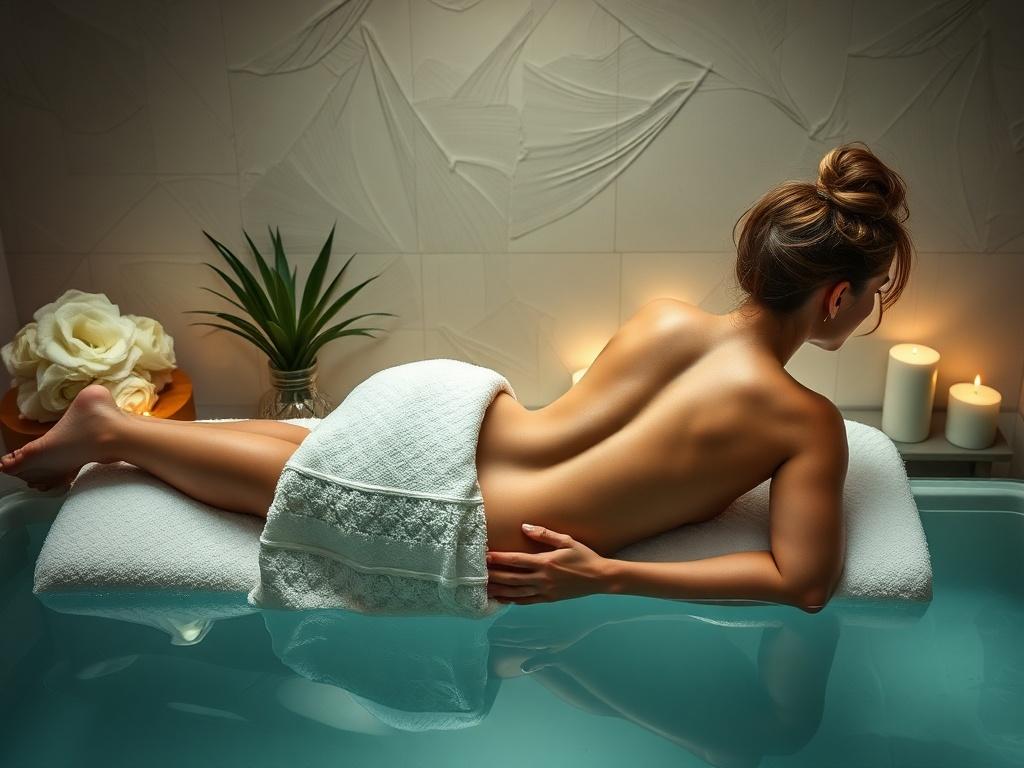
Upscale bodyrubs are more than a treatment; they’re an experience built around atmosphere, skill, and discretion. Think of them as a polished, intentional form of care where attention to detail—lighting, linens, scent, and the therapist’s rhythm—matters as much as the hands on your skin. Whether you’re curious because you want deeper relaxation, relief from chronic tension, or simply a better spa experience than the generic chains offer, this guide walks you through what to expect, how to choose wisely, and how to leave feeling genuinely renewed.
What Are Upscale Bodyrubs?
The phrase “upscale bodyrubs” usually refers to bodywork delivered in a high-end environment with a focus on customer comfort and professionalism. These sessions are commonly offered at boutique spas, luxury hotels, and specialized studios. They differ from basic massages by emphasizing individualized attention—customized pressure, premium oils or lotions, and often ancillary services such as aromatherapy, soundscapes, or warm linens. Importantly, reputable upscale providers operate within legal and ethical frameworks: therapists are trained, licensed where required, and follow clear standards for boundaries and consent.
What to Expect During a Session
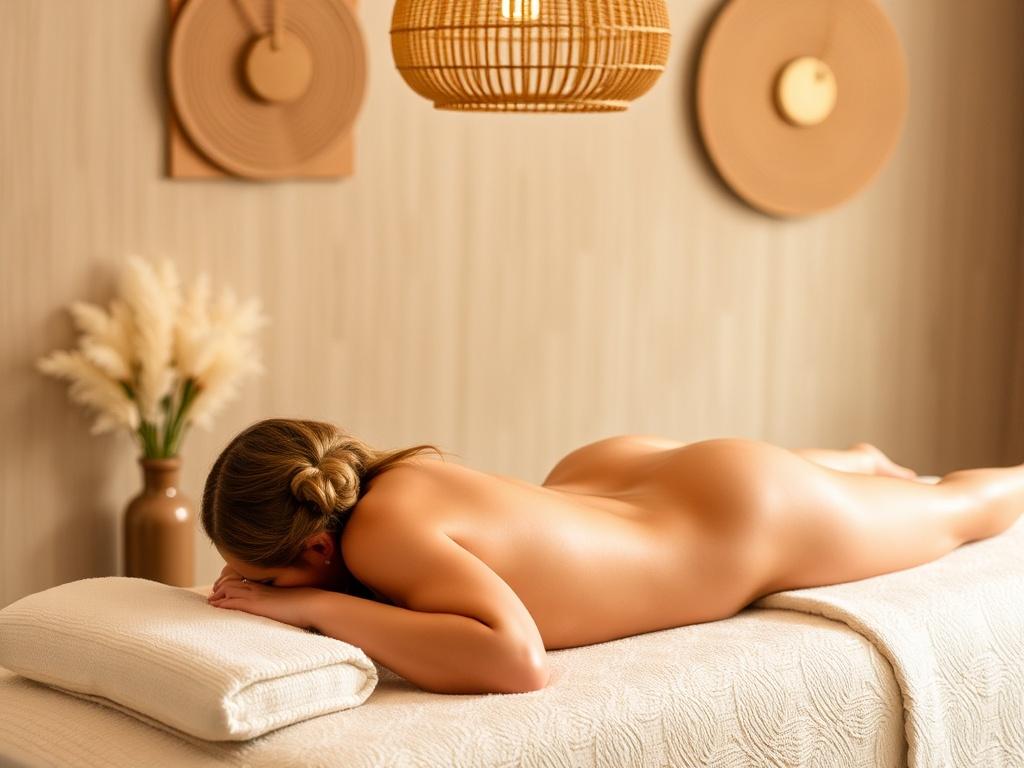
Your session should feel curated from start to finish. A typical flow includes a brief intake conversation, a guided room environment set to your preference, the bodyrub itself, and a gentle transition back—often with water or tea offered afterward. Communication is standard practice: therapists ask about pressure, any sore spots, and health concerns. Draping (covering parts of the body with sheets) is routine, ensuring modesty and comfort. If you prefer silence, soft music, or a particular pressure level, say so up front. A good therapist welcomes that direction and checks in periodically without breaking the experience.
Common Techniques and How They Differ
Upscale bodyrubs draw from a palette of techniques. Below is a quick table to clarify what each approach typically offers:
| Technique | Typical Pressure | Main Benefit |
|---|---|---|
| Swedish | Light to medium | Improves circulation and overall relaxation |
| Deep Tissue | Medium to firm | Targets chronic muscle tension and adhesions |
| Aromatherapy | Light to medium | Combines scent with touch for mood and relaxation |
| Myofascial Release | Gentle to firm | Releases connective tissue restrictions |
| Hot Stone | Medium | Heat assists muscle relaxation and comfort |
How to Choose the Right Provider
Finding a provider you trust matters more than finding the cheapest option. Start by researching online reviews and the business’s website for information on staff certifications and sanitation protocols. Look for clear descriptions of services and pricing—transparency is a good sign. If you can, ask friends for referrals. For a first visit, choose a shorter session so you can evaluate the therapist’s bedside manner and technique without committing to an extended appointment.
Questions to Ask Before Booking
- Are your therapists licensed or certified? What training do they have?
- How do you handle draping and boundaries during a session?
- What sanitation procedures do you follow between clients?
- Can I customize pressure, focus areas, or add aromatherapy?
- What is your cancellation policy and typical duration for appointments?
Pricing, Packages, and Etiquette
Prices for upscale bodyrubs vary widely with location, the therapist’s experience, and the ambience of the venue. Expect higher rates at luxury hotels or specialty studios that include premium products and amenities. Many places offer package deals—multiple sessions at a slight discount—or memberships for regular visitors. When it comes to etiquette, arrive a few minutes early, silence your phone, and communicate any health issues honestly. Tipping practices vary regionally, but leaving 15–20% for exceptional service is common in many cities. If you’re unsure, the front desk staff can usually advise on local norms.
Safety, Consent, and Boundaries
Safety should never be negotiable. Upscale bodyrubs often advertise a serene experience, but the professional core is consent and respect for boundaries. Before the session begins, therapists should clarify what areas are appropriate to work on and explain draping procedures. If anything during the session feels uncomfortable, speak up immediately. Red flags include vague answers about licensing, pressure to undress more than is customary, or requests to continue treatment in a private or off-site location. Trust your instincts; a reputable practitioner will prioritize your comfort and will never pressure you into situations that feel wrong.
Red Flags to Watch For

- Unclear credentials or unwillingness to provide them
- Payment requested in cash only, especially before the session
- Pressure to tip unusually large amounts or to add on unlisted services
- Therapist ignores your request to stop or change pressure
- Lack of a clear cancellation or refund policy
Preparing for Your Visit
Preparation makes the experience smoother. On the day of your appointment, avoid heavy meals and excessive caffeine. Shower if you can—clean skin makes oils and lotions more effective. Dress in comfortable clothing you can easily remove and put back on. Bring any necessary medical information, such as allergies or recent surgeries, and disclose these during intake. If you take medications that affect sensitivity to heat or touch, let the therapist know. Finally, plan for a gentle period after your session: rest, hydrate, and avoid strenuous activity for a few hours to allow your body to integrate the work.
Comparing Service Types: Spa, Studio, or Mobile
Different delivery models suit different needs. Below is a compact comparison to help you decide.
| Service Type | Typical Setting | Pros | Cons |
|---|---|---|---|
| Luxury Spa | Hotel or multi-room facility | Full amenities, predictable quality | Higher cost, can feel impersonal |
| Boutique Studio | Smaller, specialized space | Personalized service, experienced therapists | Limited availability, smaller staff |
| Mobile Services | In-home | Convenience and privacy | Varies widely in professionalism, environment not controlled |
Common Add-Ons and Alternatives
Upscale bodyrubs often come with optional enhancements. Hot stone therapy adds soothing heat, improving relaxation and circulation. Salt scrubs or body polishes prep the skin, and aromatherapy can be tailored to your emotional goals—calming lavender or invigorating citrus, for example. For people who want to expand beyond hands-on bodywork, look for clinics that combine sessions with breathwork, guided stretching, or short infrared sauna sessions for a more holistic effect.
Trends Shaping Upscale Bodyrubs
The luxury wellness scene is evolving. Personalization is a key trend: spas use intake forms and client histories to create bespoke sessions that reflect posture assessments, sleep patterns, and stress markers. Technology is creeping in too, with smart tables that monitor temperature and pressure, and apps that let you build repeatable preferences for future appointments. Sustainability is another growing focus—high-end providers increasingly choose ethically sourced oils, recyclable packaging, and low-impact cleaning products to align with clients’ values.
Conclusion
Upscale bodyrubs can be a restorative, refined way to address tension, restlessness, and the everyday fatigue that hides in the shoulders and back. The best experiences combine skilled technique, transparent communication, and a setting that feels intentionally calm. Do your homework—check credentials, ask questions, and be clear about boundaries—and you’ll find a provider who treats the session as both an art and a craft. With a little preparation and sensible expectations, a high-quality bodyrub can become a reliable reset in a busy life.