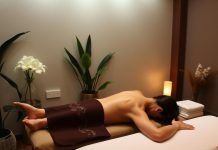


Walking into a busy New York day, the idea of a sensual massage might feel like an indulgence — yet for many New Yorkers it’s a practical way to unplug, reconnect with their bodies, or deepen intimacy with a partner. This guide will help you understand what sensual massage in NYC typically involves, how to find a professional practitioner, what to expect during a session, and how to keep the experience safe, legal, and restorative. Throughout, I’ll use clear, practical advice so you can decide whether a sensual massage nyc is right for you without second-guessing or awkward surprises.
What sensual massage means (and what it doesn’t)
Sensual massage often blends elements of relaxation massage with intention around pleasure, touch, and presence. It emphasizes slow, mindful strokes, breath awareness, and creating a space where the receiver feels seen and safe. That said, “sensual” is not a uniform term — different practitioners emphasize different things. Some focus strictly on relaxation and stress relief, while others incorporate intimacy-building techniques for couples. Importantly, this is not an invitation to ignore boundaries: a professional session should always be consensual, transparent, and within legal and ethical limits.
Why people seek sensual massage nyc
People come to sensual massage nyc for many reasons. Long workdays and subway commutes can leave the body tense and the nervous system frayed. For couples, massage can be a gentle, non-verbal way to improve communication and physical closeness. Solo clients often mention improved sleep, a clearer sense of bodily awareness, and relief from chronic tension. Whatever the reason, the core draw is deliberate touch delivered in a calm setting that prioritizes comfort and consent.
Finding a reputable practitioner
Choosing the right practitioner matters more than the hype. In a city as large as New York, you’ll find a spectrum of offerings—from medically trained therapists to independent bodyworkers specializing in sensual forms of touch. Start with basic vetting: professional reviews, clear service descriptions, and transparent booking terms. Ask questions before you book. A direct conversation about training, boundaries, and what you want out of the session tells you a lot about professionalism.
- Check credentials: massage licenses, certifications, and training backgrounds.
- Read recent client reviews on multiple platforms.
- Ask about the practitioner’s approach and experience with sensual modalities.
- Confirm policies: cancellations, privacy, and payment methods.
- Trust your instincts—if something feels off in the pre-booking stage, walk away.
What to expect during a session
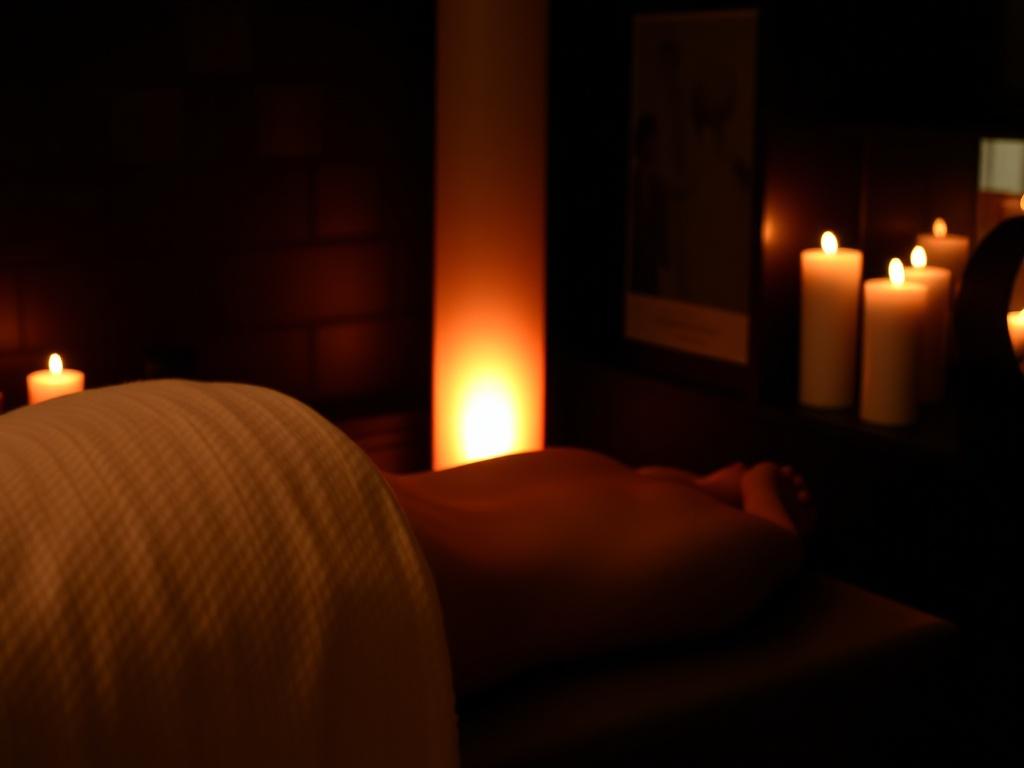
An honest, well-run sensual massage session begins with an intake conversation. This is your chance to share medical conditions, injuries, preferences, and hard boundaries. The environment should be clean, comfortable, and geared toward your relaxation: dim lighting, soft music, and a clear explanation of what will happen. You’ll usually be offered options for clothing level and how to signal discomfort. Consent is dynamic; you have every right to change your mind mid-session.
Typical session structure
| Stage | What Happens | Typical Length |
|---|---|---|
| Arrival & Intake | Brief conversation about goals, health, and boundaries | 5–15 minutes |
| Preparation | Setting the space, client disrobes to comfort level, linens arranged | 5 minutes |
| Massage | Mindful touch, breathwork, and techniques tailored to goals | 45–90 minutes |
| Aftercare | Debrief, water, suggestions for home practice | 5–10 minutes |
Communication and etiquette
Clear communication is the quiet backbone of a good sensual massage nyc experience. State your comfort level upfront and use agreed signals if you need the pressure changed or the session paused. Arrive on time so the practitioner doesn’t have to rush; a five- to ten-minute grace window is common. Respect their policies on photography, recordings, and contact outside the session. If you leave feeling unsettled, bring it up calmly with the practitioner or the business owner — most professionals welcome feedback that helps them improve client care.
Health, safety, and conscientious practice
Your health should guide decisions. If you have a medical condition—high blood pressure, recent surgery, clotting disorders, or a contagious illness—tell the practitioner before booking. Many practitioners will require a physician’s clearance for certain conditions. High standards of hygiene are non-negotiable: clean linens, handwashing, and openly discussed COVID-19 or illness policies. Sensual massage is about well-being, not risk; a good practitioner will make safety central to how they work.
Legal considerations in NYC
New York City has specific regulations around massage and bodywork. Licensed massage therapists are held to state and local rules, and businesses must follow zoning and health codes. Some sensual practices may enter legally gray areas, depending on how they are framed and delivered. To protect yourself, seek out practitioners who operate within licensed clinics or private practices with clear policies. If you’re unsure, a quick call to a local professional association or checking state licensing resources can clarify the legal landscape.
Benefits beyond relaxation
Sensual massage can do more than loosen muscles. Many clients report reduced anxiety, improved sleep, and heightened somatic awareness — a clearer sense of how their body holds stress. For couples, it can reintroduce a slow, attentive form of touch that fosters intimacy without pressure. Some people find it helps them reconnect after trauma, though that uses a very different, trauma-informed approach and should be handled by clinicians trained in that area.
Choosing the style that fits you
Not every style suits every person. Here are common approaches and what they emphasize:
- Swedish-style sensual massage — gentle strokes and long gliding motions for relaxation.
- Deep-tissue-informed sensual work — targets deeper layers for chronic tension (requires communication about comfort).
- Tantric-influenced or breath-focused sensual massage — centers breath and mindfulness to expand presence.
- Couples’ sensual massage — designed for two, often with shared techniques and communication exercises.
Try one style for a single session to see how it lands. Good practitioners will offer a tailored approach rather than rigidly following a single label.
Booking and budgeting
Prices for sensual massage nyc vary widely based on location, practitioner credentials, and session length. Urban premiums are common: expect higher-than-average rates in Manhattan compared with outer boroughs. Many professionals offer standard session lengths (60, 75, 90 minutes) and package discounts for recurring bookings. Ask about cancellation fees and tipping policies up front. When in doubt, prioritize professionalism and clear communication over the lowest price — quality and safety are worth the investment.
Red flags to avoid
- Practitioners who refuse to discuss boundaries or policies before booking.
- Businesses that insist on cash-only transactions with no receipt or contract.
- Pressure to extend a session into services not advertised or outside your comfort zone.
- Lack of verifiable credentials or consistently negative, similar-sounding reviews.
- Any suggestion that the practitioner’s safety or legal standing requires secrecy.
Conclusion
Sensual massage nyc can be a thoughtful, restorative practice when approached with care: research your practitioner, communicate clearly, and honor both personal and legal boundaries. Whether you’re seeking relief from tension, a richer connection with a partner, or simply a rare hour of deliberate touch, a well-run session offers calm and renewed presence. Take your time choosing the right professional, prioritize consent and safety, and you’ll likely find that a sensual massage becomes a reliable way to bring some balance back into a busy New York life.