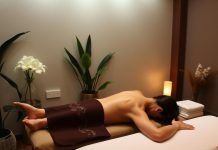


New York is a place where pace beats pulse most days, and a well-timed massage can feel like pressing the reset button. Whether you’ve spent the afternoon hunched over a laptop, run five boroughs in a single weekend, or simply want to unwind before a big week, massage therapy in NYC offers a surprisingly wide spectrum of options. This guide walks you through what to expect, how to choose a therapist, where to look, and how to get the most from a session—without jargon or sales-speak.
Think of this as a field map. I’ll show the kinds of treatments you’ll find, the neighborhoods that tend to specialize in particular services, the questions to ask before you book, and small but important practicalities—tipping, timing, and what to wear. By the end you’ll be ready to book smart and leave feeling better than you arrived.
What “massage NYC” really means: the variety you’ll encounter
When you search for massage NYC, you’ll see everything from minimalist one-room studios to luxury hotel spas and mobile therapists who come to your apartment. The difference is not just the décor; it’s the training, focus, and intended outcome. Some places lean toward relaxation and ambience. Others emphasize therapeutic work for injuries, chronic pain, or athletic recovery. Know which one you want before you push the booking button.
Common types of massage and when to choose them
Below is a snapshot of the most common modalities you’ll find across the city. Short descriptions will help you match treatment to need.
| Type | What it focuses on | When to choose it |
|---|---|---|
| Swedish | Gentle, flowing strokes for relaxation and circulation | First-time clients, stress relief, light tension |
| Deep Tissue | Slower strokes and deeper pressure to target chronic tightness | Persistent neck/back pain, muscular knots, office workers |
| Sports | Functional work aimed at performance and recovery | Runners, cyclists, CrossFitters, before/after events |
| Prenatal | Supportive techniques tailored to pregnancy-related changes | Expectant mothers seeking comfort and reduced swelling |
| Shiatsu & Asian bodywork | Pressure point work, often on clothed body, energy pathways | Those comfortable with firm pressure and holistic approaches |
| Trigger Point / Myofascial Release | Focused release of tight bands and restricted fascia | Localized chronic pain, postural issues |
How to choose the right therapist or studio
Let practicality guide you. Look for licensed practitioners with up-to-date certifications and clear information on their website. In New York State, massage therapists must be licensed or registered depending on the county—most reputable studios will display credentials. Clinics focused on therapy will often list continuing education, while spa-oriented locations will highlight ambiance and additional treatments like facials.
Questions to ask before booking
- What type of training and license does the therapist hold?
- How long is the session, and does the price include taxes and any add-ons?
- Are there forms or health questions I need to complete in advance?
- Can I request pressure level and focus areas?
- Do you offer a cancellation policy and late arrival rules?
What to expect during your first session
Show up a few minutes early to fill out the intake form and communicate any medical history—recent surgeries, blood clots, medications, or pregnancy. The therapist will ask about your goals and pain points. You’ll be told whether to undress to your comfort level and lie on the table under a sheet; modesty is standard practice and therapists will only uncover the area being worked on.
During treatment
0
Therapists should check pressure as they work. If something hurts more than you want, say so; adjustments are normal. Sessions can include oils, hot stones, or stretching. For deeper work, therapists often use thumbs, elbows, or forearms. For a nervous first-timer, a Swedish session is a gentle introduction; if you need to address specific pain, ask for deep tissue or trigger point work.
Price, tipping, and time management
Prices in NYC vary widely. Expect to pay more in Manhattan than in outer borough studios, with rates reflecting location, experience, and room quality. Typical ranges (as of now) might be $80–$180 for a 60-minute session. Specialty treatments or spa packages cost more. Many small clinics accept cash and card; some prefer card on file for appointments.
- Tipping: 15–20% is customary in most spas and private practices. Some high-end hotels include service charges—read the receipt.
- Booking: Midweek and mid-morning often provide the most availability. Weekend afternoons sell out fast.
- Cancellation: A 24-hour policy is common; missing it could cost you the full session.
Where to look: neighborhoods and niches
Different neighborhoods in NYC develop reputations. Chelsea and the Flatiron area offer a mix of clinical and boutique studios. The Upper East and West Sides host more traditional spas and hotel treatments. Brooklyn neighborhoods like Williamsburg and Park Slope favor independent studios and community-oriented clinics. Downtown areas near Midtown and Financial District often cater to busy professionals with faster, no-frills options and later hours.
Mobile therapists versus spa appointments
Mobile massage therapists bring the table to your home or office, which is convenient if you want privacy or have limited mobility. They vary in price and professionalism, so prioritize licensed providers with good reviews. Spas provide a more controlled environment—soft music, consistent temperature, and dedicated dressing areas—which can make relaxation easier for many people.
Safety, ethics, and what to watch for

Your safety and comfort are the most important factors. Ethical practitioners maintain professional boundaries, discuss treatment plans, and obtain consent for techniques. Avoid providers who pressure you into additional purchases, cannot provide evidence of licensure, or ask for inappropriate contact. If a touch feels sexual or unwelcome, end the session and report the incident to the studio and relevant licensing board.
Health considerations
Certain conditions require medical clearance before massage: deep vein thrombosis, severe osteoporosis, recent fractures, or unstable cardiovascular issues. If you’re pregnant, see a therapist trained in prenatal massage. When in doubt, ask your primary care provider.
Tips to get the most from your massage NYC session
- Hydrate before and after—massage releases metabolic byproducts that need flushing.
- Communicate your pressure preference early and during the session if it changes.
- Avoid a heavy meal right before a session; a light snack is fine.
- Take a warm shower afterward to extend relaxation and ease muscle recovery.
- Book regular sessions if you have chronic issues—spacing and frequency matter.
Packing list for a first visit
- Photo ID and any proof of insurance if required.
- Loose, comfortable clothes for after the session.
- List of medications and recent medical history highlights.
- Payment method and a small amount in cash for tipping, if you prefer.
Booking tools and reading reviews
Apps and booking platforms make comparing massage NYC options quick. Still, reviews can be inconsistent; focus on recent feedback about cleanliness, professionalism, and outcomes related to your needs. A pattern of complaints about pressure, no-shows, or hidden fees is a red flag. Conversely, detailed comments about a therapist’s specific skill set are helpful—look for reviews that mention similar conditions to yours.
Special considerations: athletes, pregnancy, and chronic pain
Athletic massage emphasizes mobility, pre-event activation, and post-event recovery. If you train, choose therapists who understand sports periodization and can collaborate with coaches. Prenatal massage is gentler and requires knowledge of positioning to protect mother and baby. Chronic pain often benefits from a multidisciplinary approach—massage coupled with physical therapy, ergonomic changes, and movement practices tends to produce better long-term results.
Pricing snapshot table
| Service | Typical NYC Price Range (60 min) | What affects price |
|---|---|---|
| Basic Swedish | $80–$140 | Location, therapist experience, studio amenities |
| Deep Tissue / Therapeutic | $100–$180 | Specialized training, clinical focus |
| Prenatal | $90–$160 | Therapist certification, pregnancy-safe equipment |
| Mobile / In-home | $120–$220 | Travel fee, therapist experience, evening/weekend surcharge |
Final practical checklist before you go
- Confirm appointment time and exact address (studios can be deceptively tucked away).
- Read the cancellation policy and note any fees.
- Bring or be prepared to share medical history—honesty keeps you safe.
- Decide on your tipping method ahead of time to avoid awkwardness.
- Plan light activity after the session so your body can settle.
Conclusion
Massage NYC can be a simple luxury or a targeted therapy depending on your choice of provider, modality, and personal goals. Pick the right type of session, verify credentials, communicate clearly, and treat massage as part of a broader approach to health—one that includes movement, sleep, and stress management. With a little preparation and the right expectations, a single session can give immediate relief and point you toward longer-term improvements. Book thoughtfully, show up with clear goals, and make your time on the table count.