

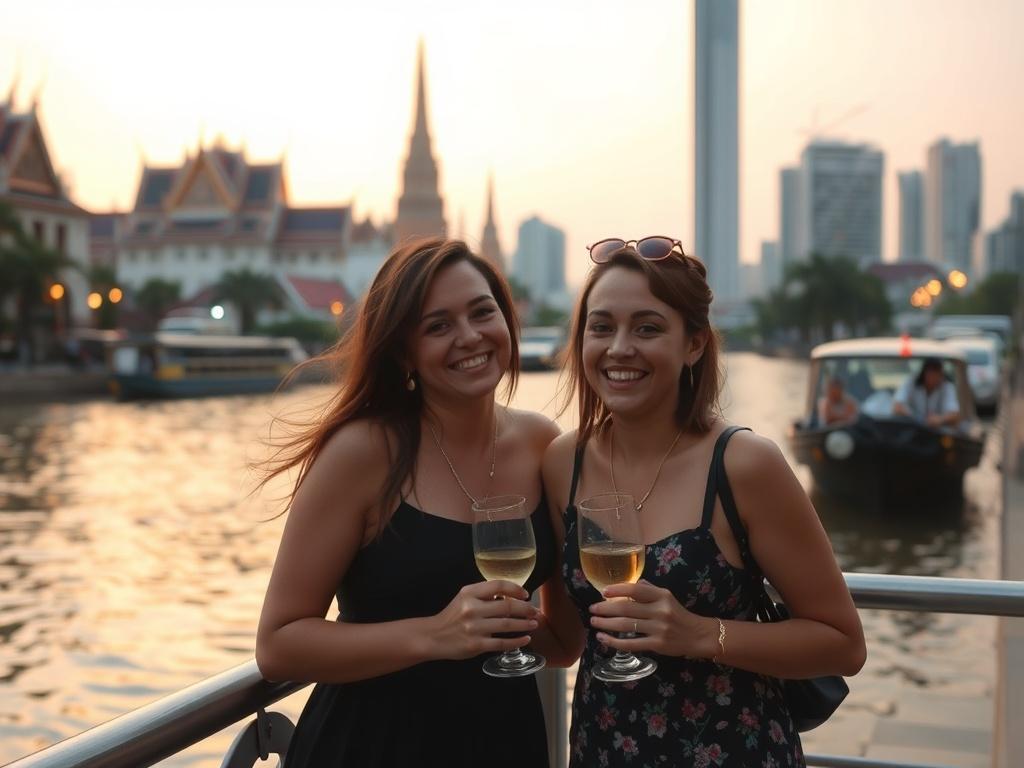
When travelers hear the phrase bangkok happy ending, a host of images and assumptions rush in: neon nights, narrow sois (side-streets), and a promise of illicit pleasure. That shorthand has followed Bangkok around the globe, shaping expectations and coloring stories told in bars and online forums. Yet reducing a complex city to a single phrase does a disservice to its people, its economy, and the legal and human-rights issues tied to that reputation. This article looks beyond the cliché to explain what the term means in context, how it developed, what the laws and health concerns are, and how visitors and residents can think and act responsibly.
Where the Phrase Comes From: A Short Cultural History
The words bangkok happy ending emerged over time from a mix of tourist tales, media portrayals, and real practices in some parts of the city. Like many urban legends, the phrase grew by repetition: tourists comparing stories, guidebooks updating each other, and online travel reviews amplifying the effect. Historically, Thailand’s massage tradition—ancient therapeutic techniques passed down through generations—was not sexual. Over decades, parts of the massage trade became commercialized in tourist areas and red-light districts, and a subset of establishments developed reputations for offering additional services beyond legitimate therapeutic care.
This evolution cannot be separated from larger historical forces: economic migration to cities, the rise of global tourism in the 20th century, provincial poverty that pushed people into service jobs, and the local demand from foreign visitors. Media portrayals and music, both local and international, also played roles in cementing the phrase into popular imagination. Understanding those forces helps explain why the idea of a “bangkok happy ending” persists, even as it obscures countless other facets of Bangkok life—family, commerce, art, and everyday labor.
Language and Perception
Language shapes perception. The phrase compresses a complicated set of behaviors and business practices into an easily remembered hook. That compression makes it convenient for storytelling but dangerous for policy and personal choice: when people assume the practice is universal, they may ignore legality, safety, and ethical complexities. Examining the phrase closely reveals how tourism can reframe local occupations and how foreign expectations can push local markets to adapt in troubling ways.
What People Usually Mean—Without Graphic Detail
It’s possible to explain what the phrase refers to without graphic descriptions. Generally, people using the term are pointing to establishments that offer bodywork—often marketed as massage—where the services extend beyond therapeutic touch to include sexual contact provided for money. The extent, exact nature, and legality of those services vary widely. In some cases the interaction is consensual between adults; in others it involves coercion or the trafficking of vulnerable people. Conflating these very different situations leads to misunderstandings and to unsafe or unethical behavior.
Why Precision Matters
Precision in language keeps the conversation focused on consent, legality, health, and human rights rather than on sensationalism. Saying “a massage that includes sexual services” is clearer and less eroticizing than slang. It also makes it easier to talk about solutions—law enforcement, public health interventions, worker protections—without normalizing exploitation or creating an implicit endorsement.
Legal Landscape in Thailand
Thailand’s laws on prostitution and commercial sex are complex and historically inconsistent. Commercial sexual services are effectively illegal under several statutes, but enforcement has been partial and sometimes permissive. Massage parlors fall into a gray zone: therapeutic massage is legal and regulated, but any sexual services offered in commercial settings place businesses and individuals at risk of arrest. Local authorities may tolerate or crack down on such activities depending on political priorities, corruption, and public pressure.
Beyond criminal law, labor protections often do not reach informal or illicit sectors. Workers in venues that provide sexual services may lack contracts, social security, or basic workplace protections. When laws are enforced, it is usually the most vulnerable—workers with limited documentation, migrants, or those unable to navigate the legal system—who feel the consequences first.
Enforcement Patterns and Tourist Impact
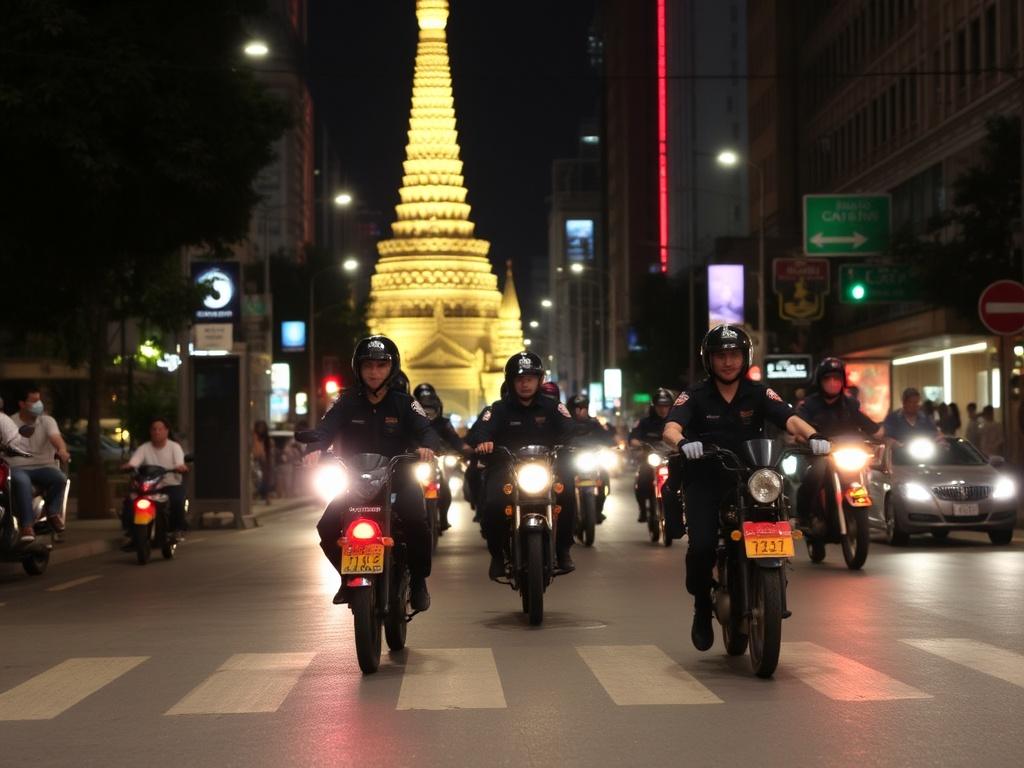
Enforcement varies by district, by policing priorities, and by international scrutiny. High-profile cases or international incidents can prompt sudden crackdowns, while quieter periods see more tolerance. For tourists, this unpredictability means that choosing to participate in illicit services carries legal risks, including fines, detention, and deportation. Importantly, those legal consequences interact with health and human-rights risks discussed below.
Health, Safety, and Public-Health Considerations
Public-health concerns around commercial sex are well-documented: sexually transmitted infections (STIs), limited access to preventative care, and inadequate workplace safety. When sexual services are clandestine, workers may have reduced access to health services, fear of seeking care, or pressure to forego protective measures. Harm-reduction strategies—regular health checkups, condom use, and access to information—are more effective in open, regulated environments than in underground markets.
For visitors, the health message is straightforward: participating in unregulated sexual activity increases the risk of STIs and other harms. Public-health agencies worldwide advise caution and emphasize preventive behaviors. Local NGOs and clinics in Thailand offer sexual-health services and anonymous testing, but stigma and legal uncertainty can deter both locals and foreigners from accessing these services.
Mental Health and Worker Welfare
Beyond infections, the mental-health impact on workers in stigmatized or exploitative conditions deserves attention. Stress, anxiety, and trauma can accompany environments where consent is compromised or where stigma isolates workers from family and social support. Support services—counseling, safe shelters, and reintegration programs—are available through a mix of government agencies and international NGOs, but coverage is uneven and often underfunded.
Human Trafficking and Exploitation
An important distinction must be made between consensual adult sex work and human trafficking. Human trafficking involves coercion, deception, or exploitation—people forced to work against their will, often moved across provinces or borders. Many trafficking victims end up in sectors tied to the sex trade, including some places associated with the phrase bangkok happy ending. Combating trafficking requires cross-border cooperation, social services for victims, and legal enforcement that prioritizes victims’ rights over punitive measures against them.
Thailand has taken steps to address trafficking—legal frameworks, anti-trafficking units, and partnerships with international organizations—but challenges remain. Poverty, lack of education, and complex migration patterns make prevention difficult. For travelers and residents alike, awareness helps: spotting signs of exploitation and reporting concerns to authorities or NGOs can make a difference without endangering victims further.
How to Recognize Signs of Exploitation
- Visible signs of coercion: people accompanied by someone who controls their documents or movement.
- Workers who appear fearful, cannot speak freely, or are unwilling to interact without a handler present.
- Businesses that conceal the identities or whereabouts of staff or that operate in restricted hours and locations.
- Requests to pay unusually large deposits or to take part in activities that are explicitly hidden from public view.
Noticing these indicators and alerting reputable local organizations or authorities can help, but do not intervene directly in ways that might increase danger for victims.
Economics: Who Profits and Who Pays
The economics behind commercial sex and massage services in Bangkok are layered. At upper levels, property owners and managers capture much of the revenue; at the lower end, individual workers often receive modest pay and bear job instability and risk. Tourism plays a major role: foreign demand has shaped how businesses operate, driving some to market sexualized services even while others pursue entirely legitimate spa models aimed at wellness tourists.
Understanding the economics clarifies why exploitation persists: when margins are slim and competition high, some operators cut corners on safety, push workers into risky services, or rely on intermediaries who traffic people. Interventions that address root economic drivers—education, alternative livelihoods, and social safety nets—work better in the long run than short-term law enforcement alone.
Alternative Livelihood Programs

Several NGOs and government schemes offer vocational training, microfinance, and education targeted at communities vulnerable to exploitation. These programs try to provide realistic alternatives so people don’t feel forced into risky labor. Results vary, but long-term investment in education and local economies reduces the pool of people who might be exploited in the first place.
Etiquette, Respect, and Responsible Travel
Visitors to Bangkok should approach the city with curiosity and respect. That means seeing beyond reductive terms and recognizing the dignity of local people. Travel behavior shapes markets: when visitors seek ethical, regulated services—or avoid exploitative options—they influence the supply side in subtle but important ways.
Basic etiquette helps: prioritize licensed businesses for wellness services, ask about what’s included before booking, respect workers’ boundaries, and avoid soliciting illegal activity. If you want an authentic Thai massage focused on wellness, choose reputable spas, check reviews from diverse sources, and look for visible licensing and hygienic facilities. That approach supports legitimate businesses and minimizes harm to workers and communities.
Dos and Don’ts for Travelers
- Do research reputable spas and wellness centers rather than relying on rumor.
- Do ask clear, non-judgmental questions about services, pricing, and boundaries.
- Do prioritize establishments that are transparent about licensing and worker welfare.
- Don’t pressure staff or attempt to negotiate sexual services—this can be illegal and harmful.
- Don’t assume that everyone in the massage industry is consenting or safe; beware of signs of coercion.
- Don’t participate in or normalize exploitation; report suspicious cases to local NGOs or authorities.
Alternatives to the “Bangkok Happy Ending” Narrative
Bangkok has a thriving legitimate wellness scene, with traditional Thai massage, modern spas, and wellness retreats that emphasize physical therapy, relaxation, and cultural experience. These provide an ethical, legal way to enjoy Bangkok’s therapeutic heritage. Workshops, temple-based massage schools, and licensed day spas offer professional care and can be meaningful ways to learn about Thai culture without encouraging exploitative practices.
Additionally, day tours, cooking classes, art galleries, and neighborhood walks can replace any impulse to reduce the city to a single vice. Engaging with local communities, eating street food responsibly, and supporting small businesses—bookshops, tailors, craft markets—brings richness to travel and diverts money into sustainable channels.
Where to Seek Licensed Services
| Type of Service | Typical Venues | What to Look For |
|---|---|---|
| Traditional Thai Massage | Licensed spas, massage schools, wellness centers | Visible license, clear pricing, trained therapists |
| Modern Spa Treatments | Hotel spas, boutique wellness centers, day spas | Hygienic facilities, professional reviews, transparent services |
| Health Check and Clinics | Private clinics, NGO health centers | Confidential services, accredited staff, clear fees |
Support Networks, NGOs, and Resources
Several organizations work in Thailand to support vulnerable workers, combat trafficking, and offer health services. International and local NGOs provide outreach, legal aid, counseling, and sometimes shelter. Embassies and consulates can offer assistance to their nationals who run into legal or medical trouble, but they are not replacements for legal counsel or medical care.
When reporting suspected exploitation, contact reputable organizations that specialize in human-rights issues. Avoid sharing identifying information online that could endanger victims. If you are a traveler seeking health care, seek out clinics known for serving foreigners as well as locals, and consider travel insurance that covers medical evacuation in severe cases.
Contacts and Suggested Next Steps
- Local NGOs working on trafficking and worker rights (search for recent, reputable organizations with local partnerships).
- Embassy or consulate contact information for immediate consular assistance.
- Clinics offering anonymous STI testing and sexual-health counseling.
- Tourism authority resources for licensed spa directories and safety advice.
Because organizational names, locations, and contact details change, verify current information through official websites and trusted directories before you travel or before taking action.
Media, Myths, and Responsible Reporting
How media cover the topic affects public understanding. Sensationalized reporting or fetishized storytelling feeds myths and obscures systemic issues. Responsible coverage situates individual anecdotes within economic, legal, and human-rights frameworks. Journalists and bloggers have an obligation to avoid glamorizing exploitation and to protect victims’ identities when reporting on sensitive cases.
For readers, consuming nuanced journalism helps separate fact from fantasy. Seek sources that consult experts—legal scholars, public-health professionals, and NGOs—rather than relying on gossip or tourist forums. That habit improves decision-making and supports better public discourse.
How Public Perception Shapes Policy
Public opinion pressures politicians and law enforcement. If citizens and tourists prioritize worker protection and victim assistance, policies may shift toward prevention and rehabilitation. Conversely, moral panic or punitive attitudes often push victims deeper into marginalization. Thoughtful advocacy focuses on rights, health, and viable economic alternatives—not only criminal penalties.
Practical Steps for Locals, Workers, and Policymakers
Addressing the issues surrounding the phrase bangkok happy ending means action at multiple levels. For workers, awareness of rights, access to health care, and safe exit options matter. For policymakers, crafting laws that target exploiters, not victims, alongside funding for prevention programs, is crucial. For citizens and tourists, reporting suspected trafficking, supporting ethical businesses, and avoiding harmful stereotypes help shift the market dynamics that enable exploitation.
Effective programs combine law enforcement with social services: anti-trafficking units that coordinate with health clinics, shelters that provide reintegration, and economic programs that reduce vulnerability. Political will and adequate funding determine how well those programs perform.
Checklist for Responsible Local Action
- Ensure local health clinics offer anonymous, stigma-free services to sex workers.
- Train law enforcement to distinguish victims from offenders and to prioritize victim protection.
- Invest in vocational training and microfinance for at-risk communities.
- Support NGOs doing outreach in red-light districts and vulnerable neighborhoods.
Final Thoughts: Seeing Bangkok Whole
Few phrases capture the full reality of a city. The shorthand bangkok happy ending reflects a small slice of activity, but that slice interacts with broader issues—poverty, migration, law, health, and human dignity. Reducing Bangkok to a single trope erases rich cultural traditions and the legitimate wellness industry while normalizing exploitation. For visitors and residents, the better path is curiosity paired with ethics: learn about traditional Thai massage from licensed practitioners, support businesses that treat workers fairly, and speak out when you suspect abuse. That combination respects the city and the people who make it alive.
Conclusion
The phrase bangkok happy ending carries a heavy mix of myth, commerce, and suffering; understanding it means separating folklore from facts, recognizing legal and health risks, and choosing ethical behavior that supports worker rights and public safety. By favoring licensed wellness services, educating oneself about human trafficking, supporting local NGOs, and treating people with dignity, travelers and locals can help shift the dynamic away from exploitation and toward a healthier, more respectful cityscape.