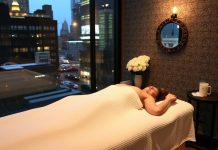


New York City moves at a relentless pace. Between commuting, meetings, and the noise that never truly turns off, a professional massage or body rub can feel like a small rescue: an hour to breathe, to soften muscle, and to reset. That phrase “body rub” carries several meanings depending on context, so this guide walks you through what to expect, how to find reputable services in NYC, and how to protect your comfort, safety, and wallet. I’ll keep it straightforward and practical—no hype, just what you need to know to make a good choice.
What people mean by “body rub” in NYC
“Body rub” is a broad term. For many people it simply means a hands-on treatment designed to relieve tension—think Swedish, deep tissue, or sports massage. In other contexts, it’s used as a euphemism for erotic services. When you’re searching in the city, the safest assumption is to look for licensed, professional treatment unless an establishment clearly states otherwise. Legitimate spas and clinics describe the modality (Swedish, deep-tissue, myofascial release), the practitioner’s credentials, and the intended therapeutic outcome. That clarity is a good sign.
How regulation and licensing work (briefly and safely)
Massage and bodywork are governed by professional standards and local business rules. In NYC, many practitioners are certified or licensed through recognized programs, and reputable facilities display credentials or list them on their websites. Rather than memorize laws, use a practical checklist: verify that the therapist lists training or certification, look for a business address (not just a vague listing), read multiple recent reviews, and confirm that the business provides clear information about services and prices. If anything feels secretive or evasive, consider it a red flag.
Table: Common modalities and what they aim to do
| Modality | Primary goal | Session length | Typical 60-min NYC price |
|---|---|---|---|
| Swedish | Relaxation, circulation | 45–90 minutes | $70–$150 |
| Deep tissue | Release chronic tension, target deep muscles | 45–90 minutes | $80–$160 |
| Sports massage | Performance, injury prevention, recovery | 30–90 minutes | $75–$160 |
| Myofascial release | Reduce fascia restrictions, improve mobility | 45–90 minutes | $90–$180 |
| Chair massage | Quick tension relief for neck/shoulders | 10–30 minutes | $1–$3/minute (varies) |
Prices in NYC vary with location, reputation, and the therapist’s experience. High-end spas in Manhattan command premium rates; neighborhood clinics and community-focused schools often offer lower prices. Use price as one indicator—but experience and transparency matter more.
Where to look and how to evaluate options
Start with the obvious: official websites, respected directories, and platforms that verify practitioners’ credentials. Look for clinics that list therapist names and brief bios, not just a service menu. User reviews are useful, but read them critically—focus on comments about hygiene, professionalism, punctuality, and whether the therapist respected boundaries. If you find a listing that avoids mentioning modalities or credentials, or a site that emphasizes secrecy or “discretion,” move on.
Checklist before booking
- Is the therapist named and credentials listed?
- Does the business have a verifiable address and clear hours?
- Are services and prices posted publicly?
- Do reviews mention a professional, clean environment?
- Is there a clear cancellation or refund policy?
If you’re trying a new type of bodywork—say, myofascial release—shoot the clinic a quick message or call. A professional receptionist or therapist will answer questions about training and what to expect. If someone pressures you to add services, makes unclear promises, or refuses to discuss credentials, that’s a signal to stop the booking.
What to expect during a professional session
At a licensed spa or clinic, your session begins with a short intake: a therapist asks about health issues, recent injuries, medications, and what you want to get from the session. Communicate honestly—conditions like high blood pressure, recent surgery, or pregnancy change what’s appropriate. Therapists will explain draping (a blanket arrangement that keeps you covered except for the area being worked on) and confirm the level of pressure you prefer. You’ll undress to your comfort level; skimping on disclosure or draping is unacceptable in professional settings.
Etiquette and boundaries
- Communicate pressure: “more” or “less” is fine.
- Remain clothed only as you prefer; therapists will adapt.
- Tipping: 15–20% is typical for good service.
- Sexual requests are inappropriate in legitimate clinics and may be illegal—do not make them.
- If something feels wrong, stop the session and leave if needed.
Professional therapists will respect boundaries and operate ethically. If you ever feel pressured into sexualized behavior or any action that makes you uncomfortable, end the appointment and report the business to local authorities or consumer platforms. Your physical and emotional safety comes first.
Practical tips for first-timers
If this is your first time getting a body rub in NYC, pick a shorter session—30 to 45 minutes—so you can gauge the therapist and modality without committing too long. Wear comfortable clothing to and from the spa. Drink water before and after your session: massage increases circulation and hydration helps with recovery. Avoid heavy meals or alcohol beforehand. After the session, give yourself a few minutes to stand, reorient, and plan a calm half-hour; the post-massage feeling can be deep and quietly disorienting.
Red flags to avoid
- No listed therapist names or credentials
- Payments demanded in cash-only without receipts
- Language emphasizing “discretion” for unclear reasons
- An emphasis on sexual services or refusal to discuss techniques
- Poor cleanliness, rude staff, or uncomfortable premises
How to read reviews and make sense of the noise
Online reviews are a mix of solid feedback and personal preference. When scanning comments, prioritize those that describe the environment, punctuality, therapist skill, and clear boundaries. A single glowing or scathing review rarely tells the whole story; patterns matter. If five recent reviews mention cleanliness and skilled therapists, that’s more informative than ten mixed comments focusing only on price. Also consider the date of reviews—businesses evolve, so recent ones carry more weight.
Budgeting and tipping in the city
Expect to pay a premium for central Manhattan locations and for specialized or senior therapists. Neighborhood clinics, massage schools, and community centers often offer high-quality bodywork at lower prices. Make tipping part of your budget: 15–20% for a positive experience is standard. If a therapist is exceptional, you can tip more, but always base the amount on the service and your ability to pay.
Questions to ask before booking
| Question | What a clear answer looks like |
|---|---|
| Are you licensed/certified? | Therapist lists training and certification; clinic shows accreditation. |
| What modalities do you practice? | Specific names like “Swedish, deep tissue, sports” with brief descriptions. |
| How long is a typical session? | Clear durations and what is included in each time slot. |
| What’s your cancellation policy? | Standard notice period and any fees spelled out. |
| How do you handle boundaries and consent? | Therapist explains draping, verbal check-ins, and how to stop or change pressure. |
Finding specialists and alternative bodywork
If you have chronic pain, a sports injury, or a medical condition, search for practitioners who list additional training: clinical orthopedics, physical therapy collaboration, or certifications in specific therapeutic techniques. Many therapists combine massage with corrective exercise, cupping, or manual therapy. Also consider reputable massage schools if you’re budget-conscious; supervised student sessions are less expensive and still often high-quality, though they may be longer to allow for instruction.
Final practical reminders

Keep receipts and business cards in case you want to return or need to report a problem. Trust your instincts: professionalism feels straightforward, not evasive. Respect therapists’ time and policies; they run a business and deserve clear communication. Above all, aim for settings that prioritize skill, cleanliness, and consent. NYC has an extraordinary range of practitioners—when you pick carefully, a body rub can be an economical and effective way to re-center in a city that rarely lets you rest.
Conclusion
Seeking a body rub in NYC should be about relief and restoration, not worry. Look for transparency—therapist names, credentials, clear service descriptions—and prioritize places that respect boundaries and hygiene. Use short sessions to try new therapists, read reviews for patterns rather than single opinions, and keep a checklist of red flags handy. With a bit of attention to credentials, etiquette, and safety, you’ll find skilled professionals across the boroughs who can help your body and mind settle into a quieter place amid the city’s motion.