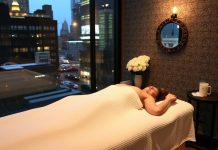


The phrase “happy ending spa” conjures an immediate image for most readers: a massage that ends with sexual contact. In New York — a city pulsing with nightlife, tourism, and an enormous wellness industry — that image becomes complicated. There are legitimate massage therapists and world-class spas, and there are also places that operate in legal gray zones or openly break the law. This article walks you through the history of the term, how massage and prostitution laws intersect in New York, how licensed spas operate, what to watch out for, and practical steps to protect your safety and legal standing if you’re seeking legitimate therapeutic services. I’ll keep it clear, practical, and free of lurid detail. Think of this as a pragmatic guide, not an advertisement or a how-to.
What People Mean by “Happy Ending”
“Happy ending” is slang — shorthand for sexual contact at the end of a massage. It’s a term that lives mostly in popular culture, joke-telling and the darker corners of classifieds. Because it’s so widely understood, businesses that provide sexual services will sometimes use euphemisms to signal availability while trying to avoid explicit language that might attract law enforcement. That tactic matters, because the law in New York treats sexual services outside a licensed context as prostitution, which has criminal and civil consequences.
At the same time, many people use the term casually when talking about run-ins with sex work, legality, or even customer service culture. For our purposes, it’s helpful to separate three categories: legitimate therapeutic massage performed by licensed professionals; legal sensual or intimacy-focused services (when offered within legal boundaries and by consenting adults in licensed settings); and illegal prostitution or sexual services knowingly offered in exchange for money. This article focuses on helping you tell the difference and make safe, lawful choices.
Brief History: Massage, Eroticism, and the City

Massage as a healing art has ancient roots. By the 19th and 20th centuries, spas and baths often mixed therapeutic and leisure functions. Urbanization, migration, and shifting social norms meant that massages sometimes took on erotic connotations in certain venues. Cities like New York — with transient populations, tourists, and a high demand for personal services — developed an undercurrent of businesses that mixed the legitimate and the illicit.
Over time, public health, professionalization, and law enforcement pushed legitimate massage into regulated, licensed professions. New York State and New York City created licensing and registration systems. At the same time, enforcement against prostitution and human trafficking increased, particularly after the 2000s when advocacy and legislation amplified attention to exploitation. The result: the legal massage industry has grown more regulated and professional, while illicit services have become both more covert and, in many cases, more dangerous.
The Legal Framework in New York
Understanding the law is crucial if you want to avoid criminal exposure or unintentionally supporting abusive practices. Two separate but related legal areas intersect here: laws governing massage therapy and laws governing prostitution and human trafficking.
Massage Licensing and Professional Regulations
New York State regulates massage therapists differently across settings, with certain licensing and registration requirements. Practitioners typically must complete accredited training, pass examinations, and follow sanitary and professional standards. Licensed therapists operate in spas, clinics, and private practices, and are bound by ethical standards that prohibit sexual contact during treatment. Many legitimate businesses display licenses, certifications, and professional association memberships; these are good signs that a practice follows legal and ethical rules.
Prostitution and Related Offenses
In New York, paying for sexual acts or exchanging money for sex is illegal. Soliciting, promoting, or facilitating prostitution carries criminal penalties. Law enforcement targets both the providers and the operators of illegal businesses. Penalties range from fines and misdemeanor charges to felony convictions in cases involving coercion, minors, or human trafficking. Importantly, patrons who solicit sexual services can face legal consequences; in recent years, many jurisdictions have also introduced targeted programs or diversion options for buyers, but the legal risk remains.
Human Trafficking and Coercion
One of the most serious concerns in the context of “happy ending” businesses is trafficking. Any situation where people are forced, coerced, or misled into providing sexual services is human trafficking, and New York has robust laws and resources to prosecute traffickers and support victims. If a spa’s workers seem controlled, afraid, or unable to freely move or speak, that’s a major red flag indicating possible trafficking and should be reported to authorities or a trafficking hotline rather than patronized.
How Legitimate Spas Operate
Licensed spas in New York focus on therapeutic outcomes: pain relief, stress reduction, rehabilitation, and relaxation. They hire credentialed therapists, follow hygiene protocols, and adhere to codes of conduct. In these places, sexual contact is not part of the service and often results in immediate termination of both the appointment and potentially the employment of the therapist involved.
These venues often offer a menu of clearly described treatments: Swedish massage, deep tissue, sports massage, myofascial release, craniosacral therapy, and more. Prices, cancellation policies, and therapist qualifications are usually transparent. Many legitimate establishments cultivate partnerships with medical professionals, such as physicians and physical therapists, which further anchors them in a health-oriented framework.
What Licensed Therapists Expect from Clients
Therapists expect professional behavior. You’ll be asked to disclose medical history, current medications, and any areas of concern. Consent is documented, and therapists will explain draping protocols — covering the body with sheets or towels to protect privacy — and why those matter. If a client asks for sexual contact, a professional will refuse and terminate the session. Pressuring a therapist may be illegal and could lead to criminal charges against the client.
Red Flags: How to Spot an Illicit Operation
Not all small, inexpensive, or unfamiliar massage places are illegal — but certain patterns often correlate with illicit operations that offer sexual services or exploit workers. Here are practical red flags to watch for when searching for a spa.
- Vague or coded advertising: Phrases like “relaxing ambiance,” “special services,” or online profiles that avoid professional credentials while promising “extras” can indicate illicit offers.
- Cash-only transactions or off-site payment arrangements: While some legitimate small businesses accept cash, consistent avoidance of traceable payments can be suspicious.
- Unclear location or hidden entrances: Businesses that change addresses frequently, advertise only on classified sites, or exist in residential-looking storefronts may be operating under the radar.
- Workers appearing controlled or unable to speak freely: If staff seem coached, fearful, or unable to move freely, that’s a sign of possible coercion or trafficking.
- No displayed licenses or refusal to provide therapist credentials on request: Legitimate spas willingly show licensing information.
- Unusually low prices for extended sessions: Deep discounts for long sessions can be a bait-and-switch tactic to sell sexual services or recruit vulnerable workers.
- Immediate offers to provide sexual services without asking about medical history or consent to touch: Professional therapists follow intake procedures.
Practical Checklist: Choosing a Safe, Legal Spa in New York
When you want a massage in New York and prefer to stay within the law and support ethical businesses, use a simple checklist to evaluate a spa before you book.
- Verify licensing and certifications: Look for therapist names, state massage registration, and professional organizations.
- Read reviews on reputable platforms: Check independent review sites and avoid listings on anonymous classified boards as your only source.
- Confirm payment methods: Credit/debit card processing is often a sign of a legitimate business operation.
- Ask about intake and draping policies: Professional businesses will describe how they protect client modesty and privacy.
- Observe the premises: Cleanliness, receptionist behavior, and posted health and safety policies matter.
- Trust your instincts: If something feels off — for example, the receptionist sidesteps questions about qualifications — walk away.
Table: Comparing Legal vs. Illegal Spa Practices
| Feature | Legal, Licensed Spa | Illicit or Trafficking-Prone Operation |
|---|---|---|
| Advertising | Lists services, credentials, and prices openly | Uses euphemisms, classified ads, or avoids clear service descriptions |
| Licensing | Displays or provides therapist credentials and business permits | Offers no credentials or provides falsified/missing permits |
| Payment | Accepts traceable payments (cards, invoices) | Prefers cash-only, off-the-books transactions |
| Worker autonomy | Staff appear free to speak and leave their jobs | Workers seem coached, afraid, or under strict surveillance |
| Session content | Therapeutic techniques, no sexual contact | Sexual services offered or expected |
| Hygiene and premises | Clean, professional environment with health protocols | Poor hygiene, hidden rooms, inconsistent cleanliness |
Health and Safety Considerations
Whether you’re visiting a spa for relaxation or rehabilitation, health and safety matter. Licensed practitioners are trained to screen for conditions where massage could be harmful: deep vein thrombosis, certain cardiovascular issues, recent surgeries, infections, or pregnancy complications. Providing accurate medical history helps the therapist choose safe techniques.
In illicit settings that offer sexual services, additional health risks multiply. Unregulated sexual contact can increase the likelihood of sexually transmitted infections, lack of access to testing or healthcare for workers, and exposure to violence. That’s why supporting licensed providers serves not only legal compliance but also public health.
Consent and Boundaries
Consent is foundational. In a legitimate massage, you consent to therapeutic touch within defined boundaries. Therapists ask for permission about pressure, areas to be worked on, and whether you want undraped access to a certain region. You can withdraw consent at any time. Pressuring a therapist for sexual contact breaches both ethical and legal lines. Similarly, therapists who initiate sexual behavior are violating their professional standards and risk losing credentials and facing criminal charges.
What to Do If You Encounter an Illegal Operation or Trafficking
If you suspect a business is operating illegally or that people there are being trafficked or coerced, focus on reporting rather than intervening personally. Your safety matters, and confronting operators can be dangerous. Instead, document what you can safely observe and report it to appropriate authorities and hotlines.
- New York State Hotline: Call the statewide human trafficking hotline or local police in emergencies.
- National Human Trafficking Hotline: 1-888-373-7888 or text 233733 (BEFREE). They offer confidential support and can coordinate with local services.
- Local enforcement: If you see immediate criminal activity, call 911. For non-urgent reports, contact the NYC Police Department’s non-emergency line or the Manhattan, Brooklyn, Queens, Staten Island, or Bronx precincts as appropriate.
- State agencies: New York State Department of Health or Department of Labor for workplace concerns may take reports about unlicensed health services and labor exploitation.
Alternatives to “Happy Ending” Services
If your goal is intimacy, connection, or stress relief—there are legal and ethical ways to pursue those needs. Couples massage, sensual but non-sexual spa treatments (aromatherapy, side-by-side massage with a consenting partner), tantra workshops that focus on communication, and intimacy counseling are legitimate options. These services emphasize consent, boundaries, and mutual respect without crossing into illegal behavior.
For physical needs, seek out licensed physical therapists or sports massage specialists if you have an injury or chronic pain. They can design treatment plans that are effective and legally sound. For emotional needs, licensed mental health professionals can help with loneliness, relationship issues, and sexual health in a confidential, therapeutic context.
What Happens If You’re Caught Soliciting?
Legal consequences vary depending on the facts of the case — whether the person was a consenting adult, if there was coercion, if minors are involved, and prior criminal history. Typical outcomes include fines, misdemeanor charges, and, in some cases, mandatory diversion programs focusing on education or counseling for buyers. Repeat offenses or aggravating factors can lead to more serious penalties. Criminal charges can carry collateral consequences: difficulty finding housing or employment, immigration consequences for non-citizens, and public record implications.
Beyond legal punishment, patronizing illicit services contributes to demand that often sustains exploitation. If you’ve made a mistake and are facing charges, seeking legal counsel is essential. Several organizations offer advice or representation for people charged with low-level solicitation offenses, and attorneys can help you understand diversion options and possible defenses.
Economics and Why the Market Exists
It helps to understand why illicit sexual services attach themselves to massage businesses. There is demand: some clients seek sexual services in a context perceived as private, discreet, or therapeutic. On the supply side, vulnerable populations — immigrants with limited work options, people facing economic hardship, individuals with histories of abuse — can be exploited into providing these services. Low barriers to entry, cash transactions, and the cover of “spa” terminology make certain business models attractive to those willing to skirt the law.
Efforts to reduce the market include enforcement against traffickers, public education, and expanding economic opportunities and legal protections for vulnerable workers. Addressing root causes — poverty, lack of immigration pathways, inadequate labor protections in some industries — is key to reducing exploitation in the long term.
How Spas Can Promote Safety and Legitimacy
Good spas take proactive steps: transparent hiring practices, fair wages, employee support, and training in ethics and human trafficking awareness. Many businesses voluntarily partner with local clinics or charities to support staff health and safety. Consumers can promote legitimacy by patronizing businesses that pay living wages, treat staff well, and advertise clearly. That small consumer choice ripple effect can help shift the market toward safer practices.
Questions to Ask When Booking

- Are your therapists licensed or registered with the state?
- What sanitation and draping protocols do you follow?
- Do you provide written consent forms and intake documentation?
- What payment methods do you accept?
- Can I see the therapist’s qualifications before booking?
Real-World Stories and Ethical Considerations
There are many complex stories behind places that offer illicit services. Some operators run organized criminal enterprises; others are small business owners who tolerate illegal behavior because of market pressure or corruption. And many workers are caught in between — choosing survival in difficult circumstances. When you consider these realities, it’s easier to make choices rooted in ethics rather than impulse. If someone is seeking intimacy or relief, knowing the difference between supporting exploitation and supporting a legitimate practitioner empowers you to act with care.
That ethical frame is useful whether you’re a resident, a tourist, or a worker. It encourages asking hard questions: How does the business pay its staff? Are workers free to accept or decline clients? Are services being marketed transparently? These questions matter because they connect everyday consumer choices to larger patterns of exploitation and industry standards.
Resources and Contacts
Here are practical resources if you need help, want to report a concern, or are seeking legal or health support related to massage businesses or suspected trafficking in New York.
- National Human Trafficking Hotline — 1-888-373-7888 or text 233733 (BEFREE)
- NYS Office of Temporary and Disability Assistance — trafficking victim services and referral
- New York State Education Department — information about licensing for massage therapists and how to verify credentials
- NYC 311 — local information on licensed businesses, consumer complaints, and health requirements
- Legal aid organizations — local nonprofits can help people charged with solicitation or facing workplace exploitation
Common Misconceptions
Misinformation circulates quickly on this subject. Let’s clear up a few frequent misunderstandings:
- Myth: “Happy ending massages are legal if the business operates as a spa.” Fact: Sexual services for money are illegal regardless of the storefront’s label.
- Myth: “If the worker consents, it’s legal.” Fact: Consent does not legalize the exchange of money for sexual acts under prostitution laws and can obscure situations involving coercion or exploitation.
- Myth: “Only low-end shops offer sexual services.” Fact: Some illicit operations can be disguised as upscale or boutique businesses; price and décor are not reliable indicators.
- Myth: “Reporting will get workers deported.” Fact: Victims of trafficking are supposed to receive protections and services; reporting helps connect them with support rather than punishment in many cases. However, real-world outcomes vary, so contacting specialized hotlines or NGOs that handle trafficking is important.
Personal Responsibility and Social Impact
Matter-of-factly, the choices you make about where you spend money matter beyond your own experience. Whether you’re a resident or a visitor to New York, choosing licensed providers supports honest businesses, worker protections, and public health. If you unknowingly patronize an illicit operation, the best immediate actions are to stop the transaction and report suspicious behavior to authorities or hotlines. Change in this sector is incremental and driven by enforcement, consumer behavior, and policy. Being informed and intentional reduces demand for exploitative services.
Final Practical Tips
Before you make a booking in New York, do a quick online sanity check: search the spa’s name alongside “license,” read recent customer reviews on multiple platforms, and look up the business address in Google Maps to see whether it appears professional. When you arrive, observe the front desk experience. Does the receptionist ask routine intake questions? Does the space have clear signage and visible health permits? If anything triggers doubt, politely decline and walk away. Your personal safety and legal exposure are not worth risking an ambiguous or illegal arrangement.
Conclusion
“Happy ending spa” is shorthand for a practice that sits at the intersection of desire, legality, and exploitation. In New York, laws and regulations aim to protect clients, therapists, and the public, while also confronting the darker realities of trafficking and coercion. If you want a massage, choose licensed, transparent providers; ask direct questions about credentials and policies; and trust your instincts. If you encounter signs of illegal activity or trafficking, report to the proper hotlines and authorities rather than intervening yourself. Making informed, ethical choices protects your legal standing, supports worker safety, and helps shift the market toward services that are both therapeutic and legitimate.