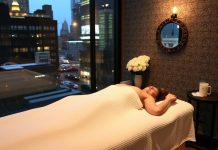


If you’ve typed body rub midtown into a search bar, you’re likely hunting for one thing: relief. Maybe your shoulders are tight from long subway commutes, maybe you want to decompress between meetings, or maybe you simply want a careful, therapeutic touch without fuss. Midtown can feel like a patchwork of options — sleek hotel spas, neighborhood massage studios, quick-stop massage chains — and that choice can be overwhelming. This article walks you through what “body rub” commonly means in reputable Midtown spas, how to pick the right place, what to expect during a visit, and how to get the most benefit from a session. No jargon, no judgment, just practical guidance so you leave feeling better than when you arrived.
Throughout this guide I’ll use the phrase body rub midtown the way locals do: shorthand for massage and therapeutic bodywork offered in Midtown’s many establishments. That term can mean different things to different people, so the first thing we’ll do is untangle the definitions. From there we’ll move through types of treatments, safety and etiquette, pricing norms, and sensible tips for booking and aftercare. Read straight through or jump to whatever you need — the goal is that you finish with a clear plan for finding the right studio and getting a high-quality, professional experience.
What “Body Rub” Means Today
The phrase body rub midtown can raise eyebrows because it’s been used to describe everything from a standard therapeutic massage to illicit services. In a professional, licensed context, a body rub refers to hands-on bodywork intended to relieve muscle tension, improve circulation, and support relaxation or recovery. Licensed therapists offer modalities like Swedish massage, deep tissue, sports massage, prenatal massage, and therapeutic myofascial techniques. These are governed by local licensing boards and professional associations, and they take place in regulated, hygienic settings.
Understanding the difference between legitimate bodywork and illegal or unprofessional services protects your safety and your wallet. A reputable Midtown spa will make its licenses, therapist qualifications, and standard policies easy to find on its website or at the front desk. If a listing for body rub midtown is vague about the type of therapy provided, offers “too good to be true” pricing, or pushes add-on services that feel questionable, those are signals to proceed cautiously.
Common Types of Treatments You’ll Find in Midtown
Midtown spas serve a diverse clientele: business travelers, residents, athletes, and people who just want to escape the city noise for a while. Here’s a quick tour of the most common modalities you’ll encounter when searching for body rub midtown:
- Swedish Massage — Gentle-to-moderate pressure, effleurage and kneading, ideal for stress relief and general relaxation.
- Deep Tissue Massage — Slower strokes and firmer pressure, targeting chronic muscle tension and adhesions.
- Sports Massage — Designed for athletes; may be more intense and include pre- and post-event protocols.
- Trigger Point Therapy — Focuses on specific spots of referral pain; often used in conjunction with deep tissue techniques.
- Hot Stone Massage — Heated stones used to warm and relax muscles before or during manual techniques.
- Shiatsu and Acupressure — Finger pressure along energy pathways (meridians), often done fully clothed.
- Chair Massage — Short sessions for the neck, shoulders, and back; common in corporate or pop-up settings.
- Prenatal Massage — Adapted positioning and cautious techniques for pregnant people, offered by trained therapists.
| Modality | Typical Duration | Ideal For |
|---|---|---|
| Swedish | 30–90 minutes | Relaxation, first-time clients |
| Deep Tissue | 45–90 minutes | Chronic tension, knots |
| Sports | 30–120 minutes | Athletic performance, recovery |
| Hot Stone | 60–90 minutes | Muscle relaxation, stress relief |
| Shiatsu/Acupressure | 30–60 minutes | Energy balance, tension relief |
| Prenatal | 45–75 minutes | Pregnancy-related discomfort |
Benefits You Can Expect from Regular Bodywork
When you search for body rub midtown looking for benefits, prioritize what you want most: pain relief, stress reduction, improved mobility, or simple rest. Research supports many benefits of therapeutic massage: reduced perceived stress, temporary pain relief, improved circulation, and enhanced range of motion. For people with chronic conditions like tension-type headaches, low-back pain, and some forms of myofascial pain syndrome, consistent bodywork can be part of an effective management plan.
There are also less tangible, but significant, benefits. Regular sessions can improve sleep quality, lower anxiety levels, and create a routine pause in an otherwise frenetic schedule. If you commute through Midtown every day, a weekly or biweekly visit can act like a pressure-release valve: small investments of time that preserve function and reduce flare-ups.
How to Choose the Right Midtown Studio

Choosing a spa for body rub midtown isn’t just about location. It’s about matching the therapist’s skills to your needs, and ensuring the studio’s standards align with your expectations. Start with these key criteria: licensing and certifications, clear treatment descriptions, visible hygiene practices, up-front pricing, a friendly but professional front desk, and transparent cancellation policies.
Check Licenses and Credentials
One of the clearest markers of a professional practice is visible licensing. In many jurisdictions, massage therapists must hold state or city licenses and carry liability insurance. Clinics sometimes list continuing education credentials or specialty training (medical massage, prenatal, sports). When searching body rub midtown, look for therapist bios on the website. A short profile that lists education, certifications, and years of experience is a good sign.
Read Reviews — But Read Them Carefully
Online reviews are helpful but not infallible. Look for patterns: multiple mentions of clean facilities, consistent therapist professionalism, and reliable booking experiences. Be wary of places with no reviews or listings that sound overly generic. Reviews that focus only on price and flattering but vague praise without detail might not be trustworthy. If reviews frequently mention odd or suggestive behavior, skip that place.
Visit or Call Before You Book
A quick phone call can tell you a lot. Ask whether therapists are licensed, whether you can request a specific therapist, and what draping practices they use. Notice how staff answer: a professional spa will be happy to explain treatment details and safety measures. If you’re unsure, book a shorter introductory session first to test compatibility.
Booking, Pricing, and Tipping
Prices vary widely in Midtown because of real estate, service levels, and therapist experience. Expect a range rather than a single standard: chain clinics may offer 30-minute sessions for budget rates, while boutique hotel spas charge a premium for ambiance and extras. Here’s how to interpret pricing and what to expect when you search for body rub midtown.
| Service Type | Typical Price Range (Midtown) | Notes |
|---|---|---|
| 30-minute chair or back-focused session | $40–$70 | Good for quick relief; limited scope |
| 60-minute Swedish/relaxation | $90–$160 | Most common length |
| 60-minute deep tissue or sports | $110–$190 | Often slightly higher than Swedish |
| 90-minute sessions | $150–$260 | Preferred for deeper work or multiple areas |
| Specialty treatments (hot stone, prenatal) | $120–$240 | Includes oils, heat, or special props |
Tipping is customary in many places. A general guideline is 15–20% of the pre-tax service price for a satisfactory session. If you’re using a membership or package that reduces the visible cost, consider tipping on the standard retail rate, if you were happy with the therapist’s work. Some high-end hotel spas include service charges; check your bill before tipping extra.
What to Expect During a Visit
The best experiences feel easy from arrival to departure. Here’s a step-by-step walkthrough so the “body rub midtown” you booked isn’t a mystery when you show up.
- Arrival: You’ll usually check in at a reception desk. Bring ID if asked and arrive 10–15 minutes early for intake forms.
- Consultation: A therapist will review your intake form, ask about medical history, current pain points, and your treatment goals.
- Draping and Privacy: The therapist will explain draping—how sheets are used to cover your body so only the area being worked on is exposed. Communication about comfort and pressure happens here.
- The Session: The therapist may use oil, lotion, heated elements, or tools depending on the modality. You steer the pressure and can pause or adjust as needed.
- Post-Session: Expect a short recovery period to sit and hydrate; the therapist may give aftercare advice or stretches.
Transparency around medical issues is important. If you have high blood pressure, deep vein thrombosis, recent surgery, or any infectious or contagious conditions, notify the spa before your session. Therapists can adapt techniques but need to know medical considerations in advance.
Preparing for Your Session
Small preparations improve the experience and outcome. Avoid a heavy meal right before a session, drink water, and wear comfortable clothing to the appointment. If you’re taking medications that affect circulation or sensation, mention them during the intake. If you want no fragrance in the treatment room, ask in advance — some clinics maintain scent-free policies.
Communication and Boundaries
Good communication is the backbone of a positive body rub midtown experience. Therapists want to know if a technique is painful, if you prefer lighter pressure, or if a particular area should be avoided. Don’t be shy about speaking up; the most skilled therapists welcome real-time feedback rather than guessing.
Draping is standard in professional settings. It protects your privacy and sets clear boundaries about what is and isn’t appropriate during a session. If a therapist ever suggests undraped touch beyond what you expect, stop the session and leave. A reputable establishment will have a zero-tolerance policy for any behavior that crosses professional lines.
Accessibility, Special Populations, and Modifications
Not every Midtown spa will be equally equipped for people with mobility issues, sensory sensitivities, or pregnancy. When searching body rub midtown, ask about accessibility features such as ground-floor entrances, ramps, stall showers, adjustable tables, and therapists trained in prenatal or geriatric massage. Many clinics offer modified positioning—side-lying for pregnancy, extra cushions for osteoarthritis, or fully clothed techniques for clients who prefer that option.
Telemedicine consultations, staff who speak multiple languages, and wheelchair-accessible rooms are increasingly common in the city. If you have a disability or a chronic condition, ask how therapists will tailor the session to meet your needs. A quality studio will welcome the conversation and will either accommodate you or refer you to an appropriate specialist.
When to Avoid Massage or Seek Medical Clearance
Therapeutic massage is broadly safe, but there are times to exercise caution. Seek medical clearance before booking a body rub midtown if you have any of the following: unstable cardiovascular conditions, recent surgery or fractures, deep vein thrombosis, infectious skin conditions, fever, or certain blood disorders. If you’re pregnant and in your first trimester or have pregnancy-related complications, consult your healthcare provider before scheduling prenatal bodywork.
If you’re on blood thinners or have significant osteoporosis, inform the therapist; techniques will be modified to avoid injury. Honest medical disclosure allows therapists to plan safe, effective treatments.
Safety and Hygiene Standards
Hygiene became an even more visible concern in recent years, and for good reason. Midtown establishments advertising body rub midtown should maintain clear cleaning protocols: freshly laundered linens for each client, wiped down surfaces between appointments, clean and well-maintained equipment, and proper handwashing or sanitizing by therapists. Oils and lotions should be dispensed from clean containers, not shared jars full of fingers.
During pandemics or periods of high transmissible illness, ask about ventilation, HEPA filtration, and masking policies. Many studios retained improved cleaning standards after 2020, and those practices are worth supporting. Safe spaces create trust, and trust improves therapeutic outcomes.
Finding the Right Therapist Match
The relationship between you and a therapist is personal. If you prefer firm pressure, look for therapists who specialize in deep tissue or sports modalities. If you’re nervous about pressure levels, a therapist who emphasizes relaxation and Swedish techniques will be a better fit. Don’t be discouraged if your first session isn’t perfect: booking another therapist at the same studio, or asking for a different pressure profile, often solves the mismatch.
Long-term clients often develop a preferred therapist and schedule around that person’s availability. Many Midtown studios allow you to request a therapist or book recurring appointments, which is useful if consistent technique matters to you. A good therapist will track your progress, understand previous sessions, and tailor future treatments based on results and feedback.
Red Flags to Watch For
When you explore body rub midtown options, be alert to several red flags that suggest a place may be unprofessional or unsafe:
- Vague or misleading service descriptions that avoid naming licensed modalities.
- Extremely low prices with frequent “extras” pushed at the time of service.
- No visible licensing information or refusal to confirm therapist credentials.
- Pressure to book multiple sessions or purchase packages before you’ve experienced the service.
- Therapists or staff making suggestive comments, asking for sexual favors, or breaching draping norms.
If any of these occur, leave and report the establishment to local licensing authorities or consumer review platforms. Your safety matters, and professional practices will support that priority.
Ways to Save without Sacrificing Quality
Bodywork doesn’t have to be prohibitively expensive. Consider these strategies to lower costs while keeping quality intact:
- Look for introductory offers from reputable studios — many offer a reduced rate for first-time clients.
- Consider shorter, more frequent sessions (30–45 minutes) to address specific areas instead of a single long session.
- Buy packages only after you’re certain the therapist and studio are a good fit.
- Check community colleges or local massage schools for supervised clinics — they can offer lower prices under professional oversight.
- Use flexible spending accounts (FSA) or health savings accounts (HSA) if eligible — some bodywork qualifies as a medical expense when prescribed by a healthcare provider.
When you search body rub midtown with cost in mind, prioritize transparency. A slightly higher price at a reputable clinic often yields better outcomes and reduces the risk of injury than a bargain-basement option.
Combining Bodywork with Other Midtown Activities
Midtown’s central location makes it easy to pair a body rub midtown with errands, a Broadway matinee, or a leisurely meal. Scheduling tips: book your massage before major travel or long events when possible; post-massage is a good time for gentle walking or a calm activity rather than a strenuous meeting. If you’re seeing a therapist for recovery after an athletic event, coordinate timing so the session supports rather than hinders your next workout.
Many hotel spas offer packages that combine facials, sauna time, or access to pools. These can be relaxing, but remember that saunas and hot tubs immediately after deep tissue work can sometimes increase inflammation. When in doubt, follow your therapist’s guidance about post-session activities.
Aftercare: What to Do Once You Leave

How you handle the hours after a body rub midtown session affects recovery. Simple steps extend the benefits:
- Hydrate — massage moves fluids and lymph; replenishing with water aids the process.
- Rest if needed — avoid strenuous exercise for 24 hours after an intense deep tissue session.
- Apply heat or cold based on therapist recommendation — heat for lingering tension, cold for acute inflammation.
- Do gentle stretching to maintain range of motion and reinforce tension release.
- Note what felt best and what didn’t — record this to share at your next appointment to fine-tune treatment.
Integrating Bodywork into a Long-Term Health Plan
For many people, a single body rub midtown is a useful reset; for others, regular sessions become part of a maintenance program tied to athletic training, chronic pain management, or stress reduction. Decide what success looks like: fewer headache days, less waking stiffness, improved sleep, or higher training loads without injury. Tracking outcomes will help determine frequency. Typical approaches include weekly or biweekly sessions for chronic issues, monthly tune-ups for general maintenance, and ad hoc visits as needed for acute flare-ups.
Coordinate with other healthcare providers when bodywork is part of a broader plan. Physical therapists, physicians, and personal trainers can help ensure massage complements, rather than conflicts with, rehabilitation or performance goals.
Alternatives and Complementary Therapies to Consider
Massage is one tool among many. Midtown studios often offer or partner with providers who deliver complementary services like:
- Acupuncture or dry needling for persistent pain patterns.
- Cupping for localized myofascial release.
- Physical therapy for structural or injury-based issues.
- Aromatherapy and guided relaxation for stress management.
- Chiropractic care for joint alignment concerns.
Combining modalities can be effective, but coordinate timing and intentions. If you’re getting both manual therapy and chiropractic adjustments, for example, communicate with each provider so treatments are complementary and scheduled thoughtfully.
Sample Questions to Ask Before Booking
When you call or visit a studio advertising body rub midtown, these questions will help you determine fit and safety:
- Are your therapists licensed and insured? Can I see their bios?
- What modalities do you offer, and which would you recommend for my issue?
- What is your sanitation protocol for linens and equipment?
- Do you have therapists trained in prenatal or medical massage?
- What is your cancellation and rescheduling policy?
- What are your pricing and tipping expectations?
Checklist: What to Bring to Your Appointment
A short packing list keeps things simple. For a body rub midtown session, consider bringing:
- Comfortable clothes to change into after the session
- A water bottle
- Your ID and any necessary health information or referral
- A note of any areas you want the therapist to focus on or avoid
- Payment method and knowledge of tipping expectations
How to Evaluate Your First Session
After your first experience, reflect on a few practical points: did the therapist ask about your medical history, did they check in on pressure, was the environment clean and calming, and did you leave feeling better? If you answer yes to most of those, you’ve likely found a reliable Midtown option. If not, consider trying another therapist or studio. Finding a high-quality match can take one or two attempts, and the effort pays off in better outcomes and longer-term comfort.
Quick Reference: Do’s and Don’ts
| Do | Don’t |
|---|---|
| Communicate preferences and medical history honestly | Ignore signs of poor hygiene or unprofessional behavior |
| Ask about credentials and ask to see therapist bios | Assume all studios use the same standards — ask |
| Tip appropriately if you received good treatment | Feel pressured into additional services you didn’t request |
| Follow aftercare advice and hydrate | Schedule intense exercise immediately after deep work |
Midtown-Specific Practicalities
Midtown neighborhoods have certain practical quirks: traffic, parking constraints, and buildings with varying levels of accessibility. If you’re heading to a studio near a major transit hub, give yourself extra time; arriving stressed defeats the purpose of a body rub midtown. Many studios provide limited on-site parking validation or will recommend nearby garages. If you’re coming from work, ask if they can store a coat or briefcase during your session so you can relax unencumbered.
If you’re a frequent visitor to Midtown, consider a membership or recurring appointment time. Studios appreciate steady clients and often offer loyalty discounts. Also, take advantage of quieter weekday mornings or late afternoons if you prefer a less bustling environment — reasonable scheduling choices improve the experience significantly.
Final Practical Tips
When you’re searching body rub midtown, prioritize clarity and consent. Book with studios that present full information up front: clear service descriptions, visible therapist bios, transparent pricing, and sensible hygiene policies. Keep notes about what worked and what didn’t so each visit refines the next. And remember: the best sessions are collaborative. Clear communication about pain thresholds, preferences, and outcomes will get you further than guessing or silence.
Conclusion
Body rub midtown can be a practical, restorative part of city life when you choose a reputable studio, communicate clearly, and focus on safety and outcomes. Know what type of treatment you want, check licenses and reviews, plan your visit to minimize stress, and use simple aftercare to extend the benefits. With a bit of groundwork, a Midtown bodywork session becomes more than a brief escape — it becomes a reliable tool for staying functional, focused, and better-rested in an unforgiving urban rhythm.