

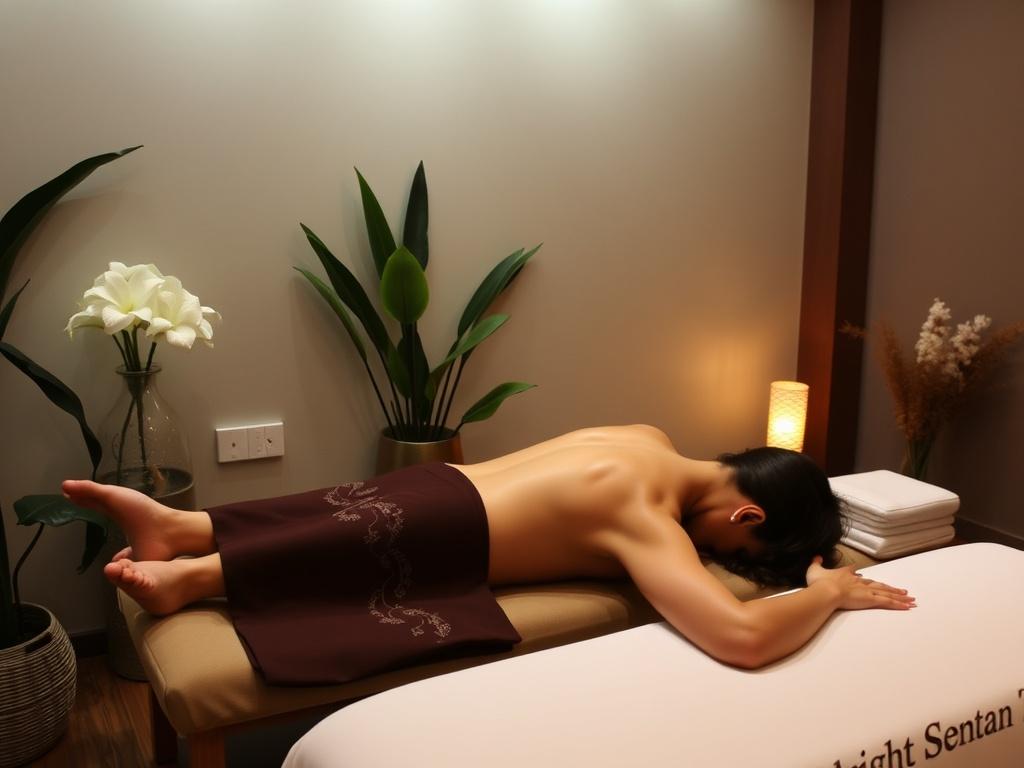
Thai massage has a way of surprising you. It doesn’t look like the reclining, oil-slicked experience many people expect. Instead you’ll find a rhythmic choreography of stretches, compressions, and gentle joint rotations performed on a mat while you remain fully clothed. That unusual combination of movement and calm is precisely what has made Thai massage appealing for centuries: it creates space in the body and steadies the mind. In this article I’ll walk you through what Thai massage is, where it came from, how it’s done, who benefits, and what to consider before you book your first session.
What is Thai Massage?
At its core, Thai massage is a hands-on therapy that blends acupressure, assisted yoga-like stretching, and rhythmic pressing along energy channels. Practitioners use thumbs, palms, elbows, knees, and feet in a flowing sequence, applying pressure and guiding limbs through passive stretches. The result often feels like a hybrid between a deep stretch session and a focused bodywork therapy. Sessions can be invigorating or deeply relaxing depending on the practitioner’s approach and your body’s needs.
Roots and history
The origins of Thai massage reach back more than two thousand years, drawing influence from Indian Ayurvedic medicine, Chinese acupressure, and indigenous Thai healing practices. According to tradition, an Indian physician named Jivaka Kumar Bhaccha taught therapeutic techniques to monks; over centuries these methods were preserved and adapted in Thai monasteries and clinics, then systematized into the art practiced today. While the mythology around its origin is rich, the practical lineage—monastic teachers, royal courts, and modern schools—is what kept the method alive and evolving.
How a Typical Session Goes
Expect to lie on a cushioned mat on the floor or sit on a firm table, fully clothed in loose garments. A session begins with a gentle breath-centered centering, then moves through a predetermined or intuitive sequence of stretches and pressing. The practitioner may lean their body weight into compressions, use rhythmic palm presses down the back and limbs, and guide your joints through mobilizations. Sessions often alternate between deep, deliberate pressure and fluid, passive stretching.
What to expect: step-by-step
- Initial consultation: discuss health history, pain points, and preferences.
- Brief centering or breathing exercise to align attention.
- Systematic work starting with the feet and legs, moving to hips and torso, then arms, neck, and head.
- Final gentle rocking or pressing to integrate the work.
- Aftercare advice and a short pause to rehydrate and evaluate how you feel.
Benefits Backed by Experience and Research
People seek Thai massage for many reasons: stiffness, back pain, stress, limited mobility, and a desire to feel more energetic. Clinically, research suggests Thai massage can reduce pain, improve flexibility, and lower stress markers like cortisol. Even when scientific studies are small, patient-reported outcomes are consistently positive—many clients note improved range of motion and a sense of lightness after a session. It’s not a cure-all, but it’s a powerful tool when used alongside medical care and movement practices.
Commonly reported benefits
- Increased flexibility and joint mobility
- Reduced muscle tension and chronic pain
- Improved circulation and lymphatic flow
- Heightened body awareness and relaxation
- Enhanced athletic recovery
Who Should Be Cautious?
Thai massage is generally safe, but not everyone should receive the full, vigorous version. If you have a recent fracture, severe osteoporosis, uncontrolled high blood pressure, a deep vein thrombosis, or are in the first trimester of pregnancy, speak with your healthcare provider before booking. Oncological or cardiac conditions require practitioner knowledge and medical clearance. A careful practitioner will adapt pressure, avoid certain positions, and prioritize safety when you disclose relevant health history.
Red flags to mention during booking
- Recent surgeries or broken bones
- Blood clotting disorders or recent long flights with swelling
- Uncontrolled hypertension or heart conditions
- Open wounds, infections, or contagious skin conditions
- Pregnancy (especially early months or high-risk pregnancies)
Choosing a Practitioner
Finding the right practitioner matters. Thai massage styles range from traditional, strong-pressure sequences to gentler, therapeutic adaptations. Ask about the therapist’s training—authentic Thai training programs often include anatomy, assisted stretching techniques, and hours of supervised practice. If possible, look for practitioners who’ve studied at recognized Thai massage schools or have certifications in therapeutic bodywork. Trust and communication are essential: a skilled therapist listens, checks in, and adapts pressure to your comfort.
Questions to ask before booking
- Where did you train and how long was the program?
- How would you describe your pressure level and style?
- Can you modify techniques for injuries or pregnancy?
- Do you use oils or only dry techniques?
- What should I wear and how should I prepare?
Thai Massage vs Other Modalities
Comparing massage types can help you choose. Below is a simple table highlighting key differences between Thai massage, Swedish massage, and deep tissue massage. It’s not exhaustive, but it clarifies where Thai massage sits on the movement-versus-relaxation spectrum.
| Feature | Thai Massage | Swedish Massage | Deep Tissue Massage |
|---|---|---|---|
| Position | On mat or table, fully clothed | On table, partially undressed, oils | On table, oils, focused |
| Techniques | Stretching, acupressure, joint mobilization | Long gliding strokes, kneading | Slow, deep pressure targeting fascia |
| Best for | Flexibility, joint mobility, energy flow | Relaxation and circulation | Chronic tightness and deep muscular knots |
| Typical session feel | Active, dynamic | Soothing, gentle | Intense, focused |
Self-Care Tips and Simple Moves to Try at Home
You don’t need to master the whole art to benefit. Simple partner-assisted stretches inspired by Thai massage can relieve tight hips and shoulders. For solo practice, gentle spinal twists, seated hamstring stretches, and shoulder openers done mindfully and without force mimic the effect of the technique. Always move slowly, breathe, and stop if something hurts sharply.
Quick partner stretch sequence
- Lie on your back. Partner supports your heels and gently presses toward your chest for a knee-to-chest stretch.
- From a seated position facing each other, clasp hands and take turns leaning back to create a chest opener.
- Finish with gentle rocking to release the lower back.
Cost, Etiquette, and Cultural Notes
Pricing varies widely depending on location and practitioner experience—expect higher prices at reputable urban clinics or specialized centers. Etiquette is simple: arrive a few minutes early, disclose relevant health information honestly, and communicate about pressure during the session. If you’re visiting a traditional Thai setting, a modest tip and a respectful demeanor are appreciated. Remember that Thai massage is rooted in a cultural context that values mindful touch and reciprocal respect.
Common Myths and Misconceptions
Two recurring myths are worth addressing. First, Thai massage is not uniformly painful; it can be deep but should never be injurious. Second, it’s not exclusively about “energy lines” in a supernatural sense—these concepts serve as practical maps for where therapists apply pressure to influence muscle tone, nerve pathways, and circulation. Practitioners blend traditional models with modern anatomical understanding to produce real physical change.
When to Make Thai Massage Part of Your Routine
If you lead an active life—desk work, running, cycling, or frequent travel—regular Thai massage can maintain mobility and preempt tension build-up. Athletes often include it in recovery plans for mobility and quick turnaround between competitions. For those coping with chronic tension or stress, a series of sessions spaced weekly or biweekly can create cumulative benefits. Discuss realistic goals with your practitioner and pair massage with movement, hydration, and sleep for best results.
Conclusion
Thai massage offers a distinctive pathway to better movement and calmer nerves: it stretches what’s tight, presses what’s knotted, and invites a gentle reorganization of tension patterns. Whether you try it for pain relief, flexibility, or simply curiosity, seek a trained practitioner, speak openly about your needs, and treat the experience as both therapy and practice—a chance to learn how your body wants to move. With mindful application, Thai massage can be an elegant, effective addition to a healthy, active life.