
Body rub parlours sit in a gray area of language and law, and that uncertainty makes them curious for many people. Are they wellness clinics, back-alley services, or something in between? The truth is more mundane and more varied than most stereotypes suggest. This article walks through the practical side of body rub parlours — their origins, how services typically differ, what proper etiquette looks like, and how to make informed, safe choices if you ever decide to visit one.
What exactly is a body rub parlour?
The term “body rub parlour” is broad. At its simplest, it describes a place where a practitioner uses hands, oils, or lotions to rub or massage a client’s body. Some establishments present themselves as therapeutic massage clinics focusing on relaxation and pain relief; others offer more ambiguous services that fall somewhere between legitimate therapy and erotic massage. Because the phrase lacks a universally accepted definition, the services and standards vary dramatically from one business to another.
Historical and cultural context
Massage and bodywork have existed for millennia across cultures: Thai, Chinese, Indian, and Scandinavian traditions all offer forms of touch-based therapy. In recent decades, urbanization and shifting demand for wellness or companionship have given rise to businesses that combine massage techniques with personal attention. Some parlours evolved from legitimate therapeutic practices, while others emerged to meet different market needs. The result is a landscape where two parlours on the same street may share a name yet operate under very different models.
Services: categories and what they mean

Understanding the range of services helps you set realistic expectations. Below is a simple table that contrasts common service types you might encounter and the features that typically distinguish them.
| Service Type | Typical Focus | Professional Standards | Common Setting |
|---|---|---|---|
| Therapeutic massage | Pain relief, rehabilitation, clinical outcomes | Licensed therapists, treatment plans, medical referrals | Clinics, physiotherapy centers |
| Relaxation massage | Stress relief, calming effects | Trained practitioners, less clinical documentation | Spas, wellness centres |
| Body rub (ambiguous) | General relaxation or personal attention; services vary | Varied; some licensed, some not | Independent parlours, small shops |
| Erotic massage | Sexual arousal or sexual services | Often unregulated; legality varies | Private rooms, sometimes unmarked locations |
Legal landscape and regulations
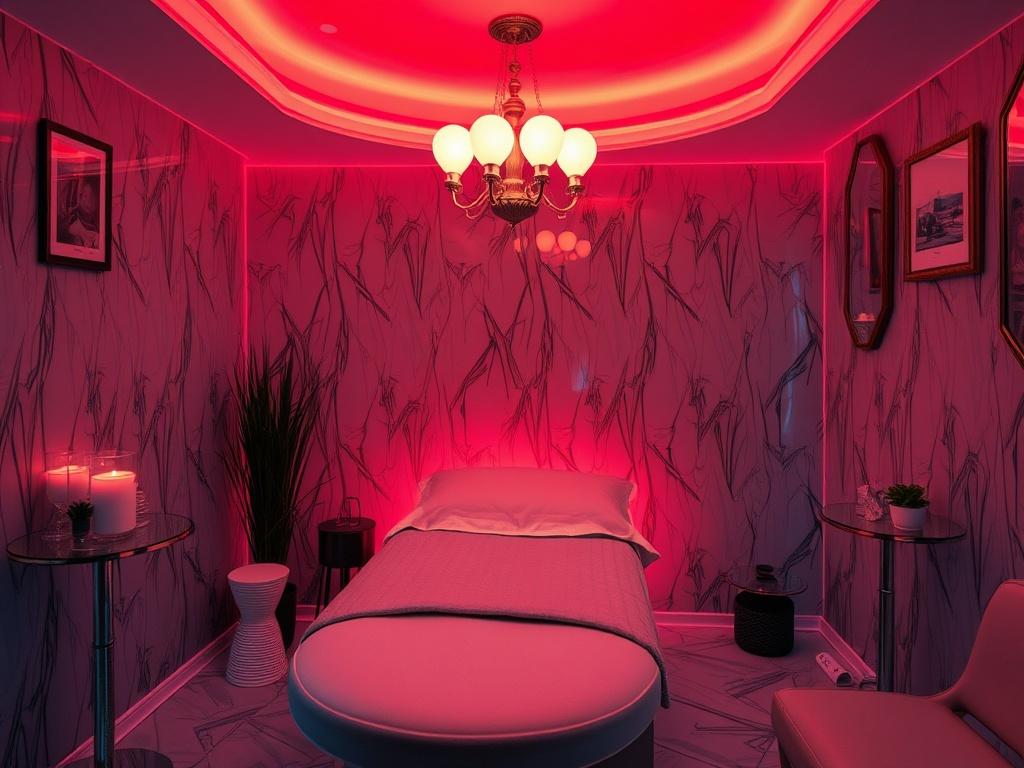
Regulation differs widely by country, state, and municipality. In many places, licensed massage therapists operate under health regulations, which require training, registration, and adherence to a code of practice. Conversely, certain types of body rub services — especially those that involve sexual activity — are illegal in some jurisdictions. Authorities may look at advertising language, observed conduct, and business records when determining whether a parlour is operating within the law. If legality matters to you, a quick check of local business registries or professional licensing boards can provide clarity.
What to expect during a visit
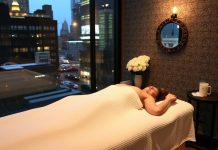
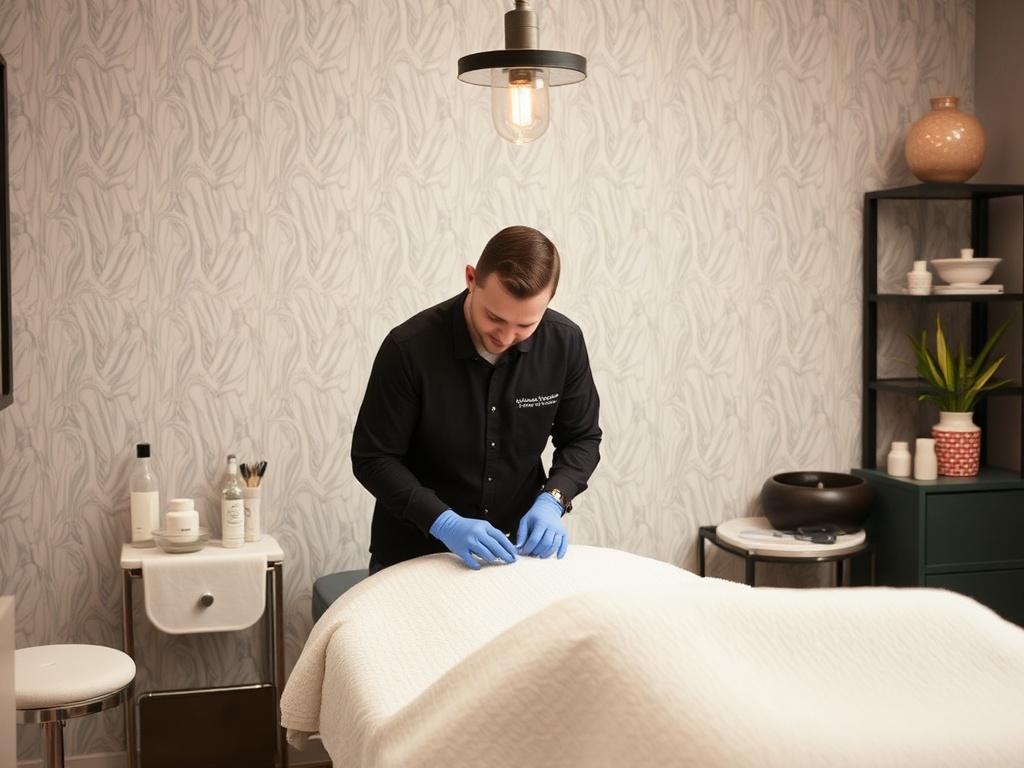
Assuming you choose a place that advertises non-sexual services, a typical visit follows a predictable pattern: you arrive, provide basic intake information (medical history, pain points, pressure preference), and are shown to a treatment room. Practitioners usually explain what they will do and where you should undress if necessary. Professional therapists give you time to get comfortable and step out while you prepare; they also drape sheets to preserve modesty and privacy. If the setting feels informal or rules about draping and consent are vague, that’s a red flag worth noting.
Simple checklist before booking
- Look for licenses or certifications posted at the business or on their website.
- Read recent reviews, but put stock in detailed accounts over one-line praise or criticism.
- Confirm the scope of services and whether they align with local law.
- Ask about hygiene protocols and COVID-era precautions if those matter to you.
Etiquette and safety tips
Good etiquette makes the experience better for everyone. Consent and clear communication are essential before touch begins. If you prefer certain areas not to be touched, say so early and plainly. Practitioners should not pressure you to disclose intimate details unrelated to the treatment. If at any point you feel uncomfortable, you can ask the therapist to stop and leave the room.
- Arrive on time to avoid rushing the intake process.
- Dress in whatever makes you comfortable; follow the parlour’s instructions about disrobing.
- Set your boundaries: where pressure is too strong or what areas are off-limits.
- Pay attention to hygiene: clean yourself if you can, and notice whether the parlour keeps linens fresh.
- Bring a form of ID and ask for a receipt if you want a record of the transaction.
Health considerations and professional standards
Licensed therapists use touch to address muscle tension, circulation, posture, and stress. Training programs teach anatomy, contraindications, and when to refer a client to a medical professional. If you have health conditions — high blood pressure, recent surgeries, blood-clotting disorders, pregnancy — disclose them in advance. A competent practitioner will modify techniques or decline treatment when necessary. Beware of venues that make grand medical claims or pressure you into treatments without a clear rationale.
How to choose where to go
Finding a reputable place comes down to a few practical checks. First, look for transparency: clear pricing, posted hours, staff qualifications, and a professional phone presence. Good parlours are happy to answer questions about their training and approach. Second, lean on peer input: honest, detailed reviews carry more weight than photos or flash advertising. Third, trust your instincts. If a business seems to skirt privacy, cleanliness, or consent norms, choose a different provider.
Questions to ask when you call or arrive
- Are your therapists licensed, and can you tell me their qualifications?
- What exactly is included in the session I’m booking?
- What hygiene and sanitation procedures do you follow between clients?
- Do you have a policy about draping and client boundaries?
- What is your cancellation and refund policy?
Alternatives to visiting a body rub parlour
If you’re seeking relief from tension or stress but prefer a clearly regulated environment, consider these alternatives: registered massage clinics, physiotherapists, chiropractic offices, or day spas that list staff credentials. Group exercise classes, yoga, and guided relaxation programs are cost-effective ways to reduce tension without touch. For social or emotional needs, community events, therapy, or support groups can offer human connection in structured ways.
When to report concerns
If a visit crosses legal or ethical lines — for example, if a practitioner pressures you into sexual activity, ignores boundaries, or you encounter suspicious hygiene or safety practices — you should report the incident. Local health departments, consumer protection agencies, and police non-emergency lines are the right places to start, depending on the nature of the concern. Reporting helps protect others and can prompt regulatory checks where needed.
Conclusion
Body rub parlours form a loose category that covers everything from licensed therapeutic clinics to informal businesses offering ambiguous services; the key for anyone curious is to separate the legitimate from the risky by checking licenses, asking clear questions about services and boundaries, and trusting basic hygiene and consent standards. Whether you go for pain relief, relaxation, or simply curiosity, informed choices — a little research, clear communication, and attention to safety — will make the difference between a useful experience and an uncomfortable one.