
“Exotic massage queens” might sound like a headline from a glossy travel magazine, but the phrase can also describe a real phenomenon: practitioners—often women—who blend traditional techniques, theatrical flair, and strong client care to create memorable, restorative sessions. This article walks you through what that term can mean, where these styles come from, how to find trustworthy practitioners, and how to enjoy the experience with respect and safety in mind.
What People Mean by “Exotic Massage Queens”
When travelers use the phrase, they usually refer to therapists who offer massage styles that feel novel because of their origin, presentation, or combination of techniques. “Exotic” in this sense doesn’t mean salacious; it means unfamiliar, resourced from another culture, or artistically distinct. A massage queen is simply a practitioner who demonstrates exceptional skill, a signature touch, and an ability to read a client’s body and needs quickly. The result is a session that feels special, not just routine.
A brief cultural note
Many of these approaches—Thai, Balinese, Lomi Lomi, and other regional forms—arrived in global spas through cultural exchange. Each has its own philosophy and set of techniques, shaped by local healing practices, climate, and available materials (herbs, oils, wooden tools). Respecting those origins helps you appreciate the work and ensures the traditions aren’t reduced to gimmicks.
Variety, not uniformity
Expect variety. One “exotic” session might focus on long, flowing strokes invoking Hawaiian Lomi Lomi, while another emphasizes rhythmic percussive tapping or instrument-assisted mobilization from Southeast Asian arts. The personality of the therapist—their sensitivity, rhythm, and communication—matters at least as much as the name of the technique.
Popular Styles and What Sets Them Apart
Below is a compact table comparing some well-known styles you might encounter labeled as “exotic.” It highlights the core technique, common benefits, and what makes each feel distinct.
| Style | Core Technique | Typical Benefits | Signature Feel |
|---|---|---|---|
| Thai | Stretching, pressure along energy lines, no oil | Increased flexibility, joint mobility, energy balance | Firm, assisted-yoga-like stretches |
| Balinese | Long strokes, acupressure, aromatherapy oils | Relaxation, improved circulation, stress relief | Warm, rhythmic, sensory-rich |
| Lomi Lomi (Hawaiian) | Continuous flowing strokes with forearms and hands | Emotional release, relaxation, soothing of nervous system | Fluid, dance-like, enveloping |
| Shiatsu | Finger and palm pressure along meridians | Pain relief, energy unblocking, improved function | Targeted, precise, grounding |
| Swedish (as a baseline) | Long gliding strokes, kneading, friction | Relaxation, circulation, muscle tension reduction | Classic, comforting, methodical |
How techniques are blended
Many skilled practitioners mix elements from several traditions to suit a client. A therapist might begin with a Balinese oil ritual, use Thai stretches to open hips, and finish with Swedish-style calming strokes. That fusion, executed with taste and knowledge, is what often elevates a session from competent to queenly.
How to Find a Reputable Practitioner
Finding an accomplished and ethical “exotic massage queen” is mostly about research and intuition. Look for clear licensing information, reviews that mention technique and communication, and studios that describe what they do rather than promising vague “sensations.” Word-of-mouth recommendations from trusted travelers or local expat communities can be gold.
Checklist: What to look for
- Visible credentials or training background (school names, years practiced).
- Clear service descriptions and transparent pricing.
- Photos or profiles that show a professional environment.
- Client reviews that reference safety, effectiveness, and respect for boundaries.
- Responsive communication when you ask questions—good therapists answer before you book.
On the flip side, be wary of places that are secretive about staff qualifications, insist on cash-only payments without receipts, or pressure you into extra services. Those are red flags for poor regulation or worse.
Etiquette, Consent, and Safety
Respect and consent are the foundations of any legitimate bodywork. A skilled practitioner will begin with a consultation, asking about injuries, preferences, and what you hope to get from the session. They will explain draping, what areas they will work on, and invite you to speak up at any time.
Practical safety tips
- Communicate any medical conditions—pregnancy, recent surgeries, blood pressure issues—before booking.
- Ask about sanitized linens, oil ingredients (for allergies), and how the therapist maintains hygiene.
- Agree on pressure levels and whether you want more emphasis on stretching, muscle release, or relaxation.
- If something feels off—technique beyond comfort or any attempt to bypass consent—end the session immediately and leave the premises.
Remember: an exceptional session never requires compromising your boundaries. The best therapists measure their skill by how much the client relaxes, not by how much they can push the body.
What a Typical Session Looks Like
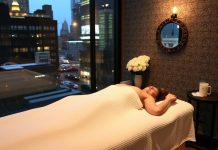
Expect a brief intake followed by a warm, calming environment—dim light, soft towels, and music selected to soothe rather than distract. The practitioner may use oils, warm compresses, or tools like wooden sticks or hot stones depending on the style. Draping keeps you covered except for the work area; you’ll uncover only what’s necessary.
Step-by-step experience
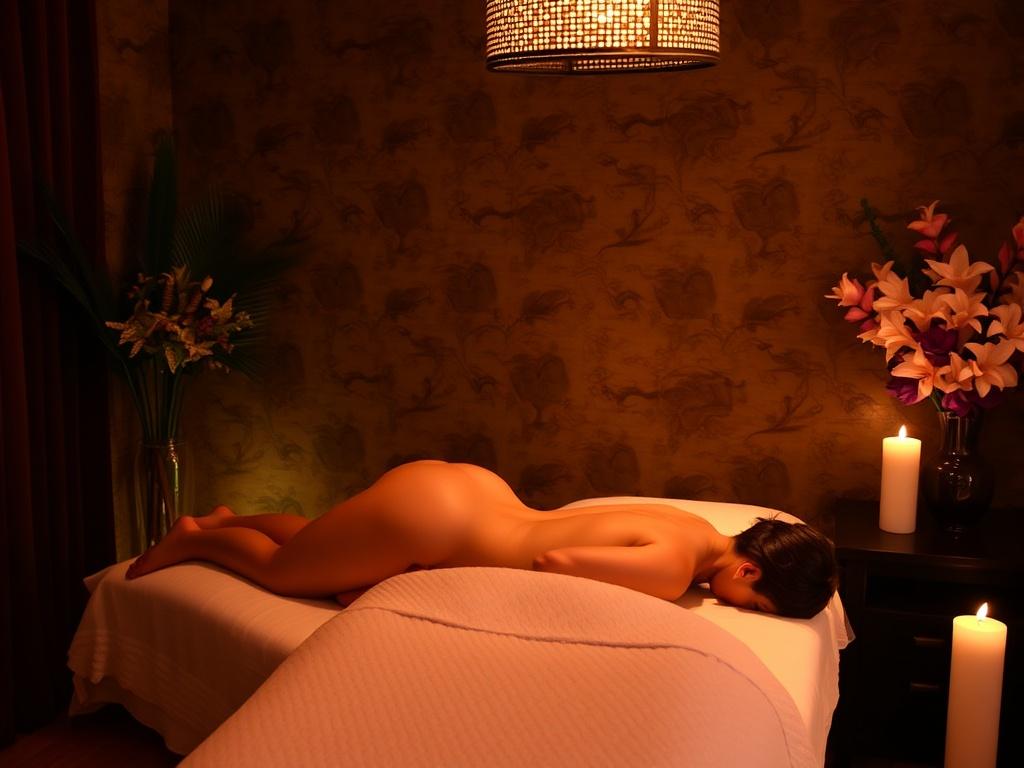
- Arrival and intake: health questions and preferences.
- Preparation: shoes off, valuables stored, and an explanation of draping.
- Work phase: technique applied, pressure checked periodically.
- Transition and closure: gentle return to upright posture and aftercare advice.
Aftercare can include drinking water, avoiding intense exercise for a few hours, and noting any soreness that might be normal after deep tissue work. If you have persistent pain or concern, follow up with a medical professional.
Travel Tips: Getting the Most from Exotic Bodywork
When traveling, prioritize licensed spas or therapists recommended by reputable hotels or local wellness centers. Learn a few polite phrases in the local language—asking whether a practitioner is trained in a specific technique can be as simple as a single sentence. Carry a small list of your health concerns in the local language if you anticipate barriers to communication.
Tipping, time, and cultural norms
Tipping practices vary widely. In some countries, tipping is expected and appreciated; in others, it can be unusual or even frowned upon. Check local customs in advance. Also, allow extra time around sessions in case a consultation requires translation or additional explanation.
Business Side: How Practitioners Build a Reputation
Great massage therapists—those “queens” who earn repeat clients—tend to combine craft mastery with consistent professionalism. They cultivate niches (sports recovery, pregnancy bodywork, cross-cultural fusion), maintain continuing education, and invest in client relationships. Ethical marketing emphasizes training and client outcomes, not sensationalist claims.
What sets sustainable studios apart
Reputable studios provide clear policies, transparent pricing, and staff profiles. They invest in continuing education and maintain insurance where applicable. These practices protect clients and help talented practitioners build long careers without resorting to exploitative tactics.
Common misconceptions
One persistent myth is that “exotic” equals erotic. While some pools of clientele seek sensual experiences, the vast majority of legitimate exotic-style massages are therapeutic, ritualistic, or relaxation-focused. The label should never be shorthand for anything that compromises professional boundaries.
Conclusion
“Exotic massage queens” need not be a flashy caricature; the term can honor skilled, culturally informed practitioners who offer unusual, restorative experiences. Seek out licensed professionals, ask clear questions, and prioritize communication and consent. When you do, you’ll find that what feels exotic is often simply skilled hands, a thoughtful approach, and a space that honors the body—and those sessions make travel more restorative and memorable without compromising respect or safety.